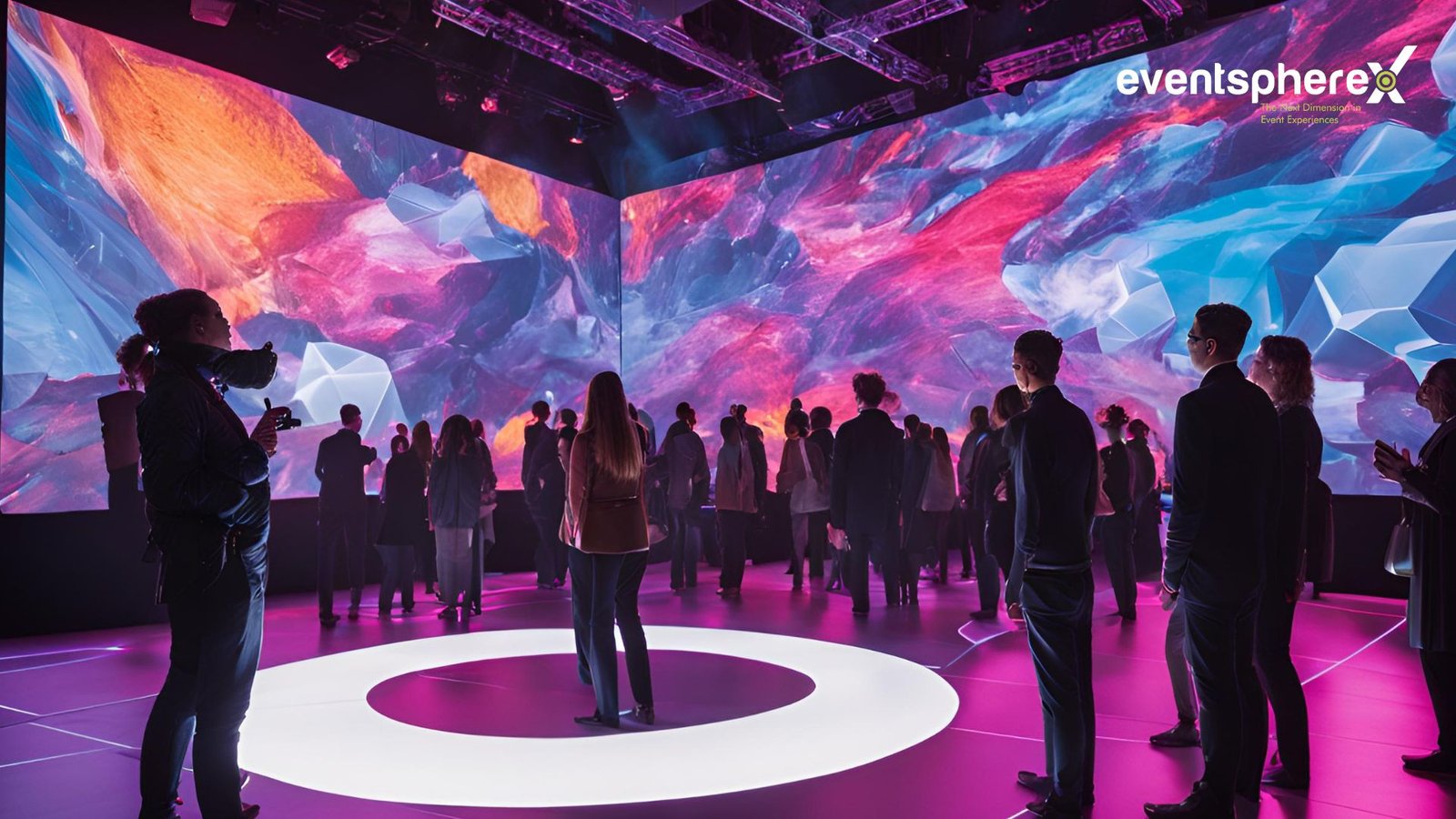
Brand activations in India are a ₹3,000+ crore market, and for good reason — they create real, memorable connections between brands and consumers that no digital ad can match. But not all activations work equally well. Here are five strategies that consistently deliver results in India.
1. The Mall Activation
How it works: Set up an interactive branded zone in a high-footfall mall. Think product sampling, photo booths, VR experiences, or contest zones.
Why it works in India: Malls are where middle-class India shops, socializes, and discovers brands. Weekend footfall at a premium Mumbai or Delhi mall ranges from 30,000-80,000 visitors.
Example: A personal care brand set up a "skin analysis station" in Phoenix Marketcity Mumbai. Visitors got a free skin analysis via AI, received personalized product recommendations, and were given samples. Result: 5,000 leads in one weekend, 12% conversion to purchase.
Budget: ₹3-8 lakh for a weekend activation
2. The College Campus Tour
How it works: Take your brand to 10-20 college campuses across cities. Run competitions, workshops, or experience zones that make students engage with your product.
Why it works: India has 40,000+ colleges with young, influential consumers who drive family purchase decisions and create viral social media content.
Example: An energy drink brand ran a "campus challenge" across 50 engineering colleges in South India. Students competed in gaming tournaments powered by the brand. Result: 2 lakh social media impressions per campus, 85% brand recall in post-campaign surveys.
Budget: ₹50,000-2 lakh per campus
3. The Pop-Up Experience
How it works: Create a temporary branded space — a pop-up cafe, store, or installation — in a trendy neighborhood for 1-4 weeks.
Why it works: Pop-ups create urgency ("limited time only") and become social media magnets. India's Instagram-obsessed youth will visit and share anything that's visually interesting.
Example: A fashion brand created a "closet of the future" pop-up in Bandra, Mumbai. Visitors used AR mirrors to try on outfits. The pop-up was designed for Instagram. Result: 15,000 visitors in 2 weeks, 8,000+ organic Instagram stories.
Budget: ₹5-15 lakh for a 2-week pop-up
4. The Sampling + Digital Bridge
How it works: Distribute product samples at high-traffic locations (railway stations, offices, gyms) with a twist — each sample has a QR code linking to a digital experience, review page, or discount coupon.
Why it works: Sampling alone has limited measurability. Adding a digital bridge lets you track conversion from sample to purchase, build a database, and retarget consumers online.
Example: A healthy snack brand distributed 50,000 samples across Mumbai suburban trains with QR codes offering ₹50 off on first online order. Result: 22% QR scan rate, 8% conversion to online purchase.
Budget: ₹2-5 lakh for 50,000 samples with QR integration
5. The CSR-Linked Activation
How it works: Tie your brand activation to a social cause — tree planting, plastic collection, education donation. For every product sold or interaction completed, the brand contributes to the cause.
Why it works: Indian consumers, especially millennials and Gen Z, increasingly prefer brands with social purpose. This approach generates positive PR and media coverage that paid advertising can't buy.
Example: A water purifier brand ran a "Clean Water Challenge" activation where visitors' participation funded water purifiers for rural schools. Result: Extensive media coverage, 200% social media engagement vs. previous campaigns.
Budget: ₹5-10 lakh including CSR contribution
Measuring Activation ROI
The most common mistake is treating activations as "awareness" with no measurement. Track:
- Cost per interaction
- Lead capture rate
- Social media generated (posts, stories, mentions)
- Conversion to purchase (via QR codes or promo codes)
- Brand recall (post-campaign survey)
The best activations deliver a cost per qualified lead of ₹50-200 — competitive with digital advertising but with much deeper engagement.