Why Festivals Are the Fastest-Growing Slice of Indian Events
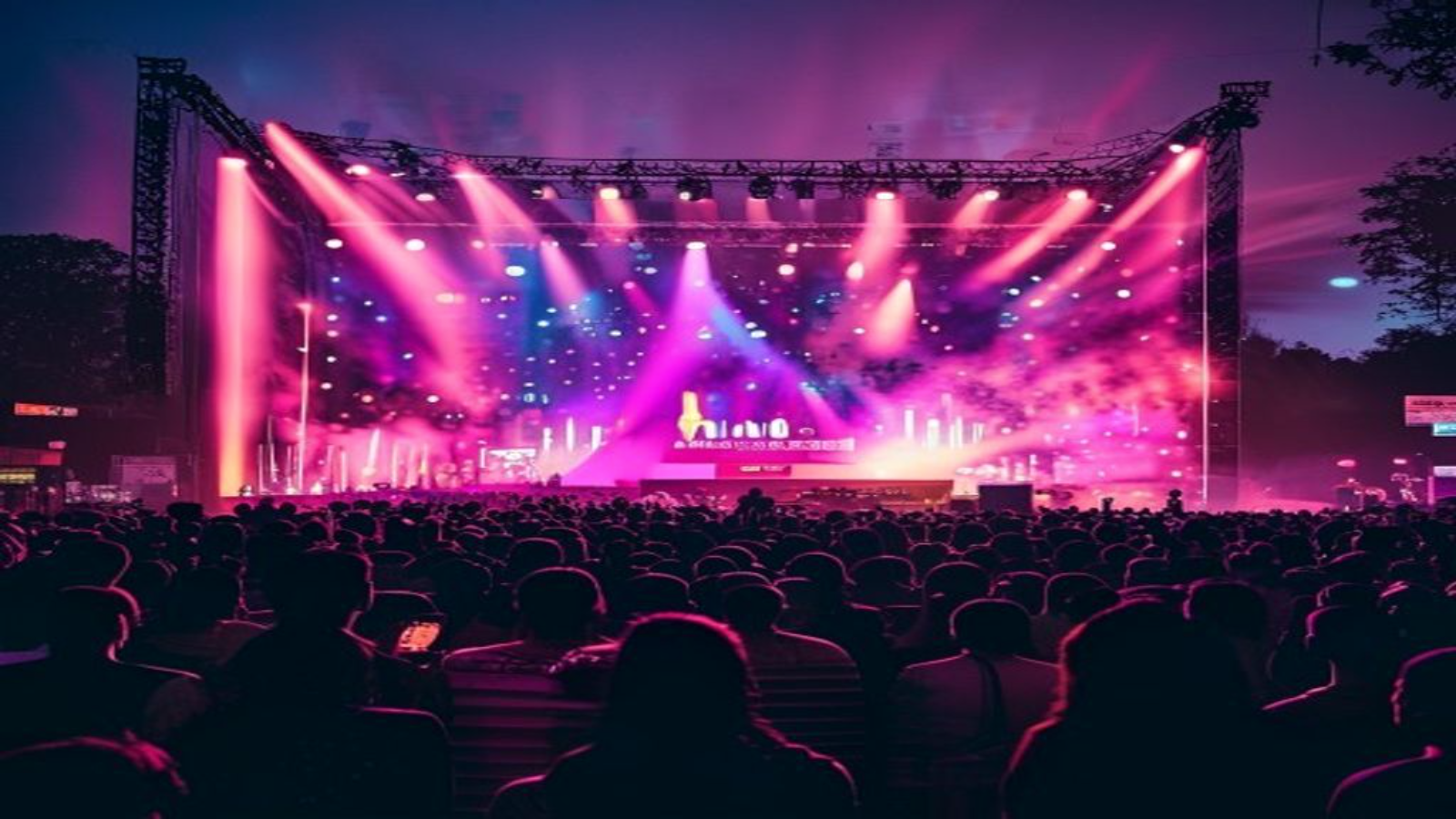
For most of the last decade, India's event industry was sized around three big buckets - weddings, corporate/MICE, and exhibitions. Music festivals were a footnote, an enthusiast category nobody underwrote with serious capital. That has changed.
Three things flipped at once:
- Live music demand outgrew nightclub capacity in metro India. Promoters had a paying audience faster than venues could supply.
- Brands moved their experiential budgets from one-off activations to season-long festival sponsorships, because the ROI math (impressions per rupee, content shelf life, audience overlap) finally worked.
- Streaming saturation made live the premium layer. Every artist with a Spotify catalogue now anchors a tour.
The combined effect: festivals went from "passion projects" to genuine commercial events with five- to nine-figure budgets and full-time year-round teams.
The Money Map of an Indian Festival in 2026
Most coverage talks about ticket prices. That misses the actual P&L. Here is the typical revenue split for a mid-to-large Indian festival in 2026:
| Revenue Line | Typical % of Top Line | Notes |
|---|---|---|
| Sponsorship (title + category + presenting + co-presenting) | 40-55% | The largest line on almost every Indian festival |
| Ticketing (GA, Tier 1/2, VIP, table buyouts) | 25-35% | Tiered pricing is now standard |
| F&B revenue share | 8-15% | Cashless wallet/RFID makes this measurable |
| Merchandise | 2-5% | Higher for festivals with strong IP |
| Hospitality / Brand experiences (paid pavilions) | 3-8% | Increasingly carved out as a separate line |
The big shift is that ticket revenue is no longer the centre of gravity. Sponsors are. Which means festival operators in 2026 are essentially running B2B brand-investment platforms that happen to feature artists.
Cities Winning the 2026 Festival Calendar
Not every city is equal. The 2026 festival map clusters around eight cities:
- Mumbai - Lollapalooza India anchors the year. Brand budgets, talent access and corporate hospitality all live here.
- Bengaluru - Echoes of Earth, Bacardi NH7, plus a heavy indie circuit. The most discerning audience.
- Goa - Sunburn, Magnetic Fields (Alsisar), Hilltop and the long-running EDM circuit. Tourism + festival overlap is unique to Goa.
- Pune - NH7 Weekender's home turf, plus a thriving Tier-1.5 venue circuit.
- Shillong / Northeast - Hornbill, Ziro, Cherry Blossom. Government-supported, festival-driven tourism.
- Jaipur / Alsisar - Magnetic Fields and the heritage-property festival format.
- Hyderabad - Fast-rising. Large addressable audience, lower production costs than Mumbai.
- Chandigarh / Gurugram - North India circuit servicing the Punjabi indie and Bollywood overlap.
Tier-2 cities - Indore, Coimbatore, Lucknow, Bhubaneswar - are starting to see one-off marquee festivals, and that is where the next 18-24 months of growth lives.
Sponsorship Categories That Now Define Festival P&Ls
A 2018-era Indian festival deck listed three sponsor slots (title, presenting, associate). A 2026 deck lists 12-18. Categories now include:
- Title sponsor (single-slot, premium logo lock-up)
- Co-presenting sponsors (2-3 slots)
- Beverage category (alcobev, energy drinks, RTD cocktails - usually exclusive)
- Telecom / connectivity partner
- Mobility partner (cab, EV, two-wheeler)
- Payments / fintech partner
- Banking / credit card partner (with on-site offers)
- Apparel / streetwear partner
- Skincare / beauty partner (huge growth in 2025-26)
- Audio / pro-audio partner
- Camera / content partner
- Hospitality / hotel partner
- Travel / OTA partner
Each of these is now a real line item with its own deliverables, branding rights, on-ground footprint and audit. The agencies that can sell, service and report on this many sponsor relationships are the ones festival operators are paying.
Production Reality: What Festivals Need That Corporate Events Don't
If your agency comes from the corporate or wedding side and you want a piece of the festival economy, the production stack is genuinely different:
- Multi-day camping & infrastructure - water, power, sanitation, medical, security at scale
- Multiple stage management teams - main + secondary + workshop/tertiary stages run in parallel
- Cashless RFID wallets - issuing, top-up, settlement and reconciliation
- Artist hospitality at touring-band scale - green rooms, riders, transport, immigration where international acts are involved
- Real broadcast & content production - same-day edits, livestream, social cuts
- Crowd management certified to international standard - not optional after recent incidents
This is why festival production talent is concentrated in 8-10 organisations nationally. The barrier to entry isn't capital - it's institutional knowledge.
Where the 2026 Headwinds Are
It is not all up-and-to-the-right. Three tensions matter:
- Permissions & political risk. Local-body permissions remain the single largest cancellation risk on Indian festivals. 2024-25 saw multiple last-minute reschedules.
- Insurance & cancellation cover. The Indian market for genuine festival cancellation insurance is still thin. Most organisers are self-insuring or relying on contract clauses with sponsors.
- Artist fees inflation. Top-billing Indian artists have raised fees 30-60% since 2023. Margins are tightening unless ticket pricing rises with them.
Festivals that survive 2026-27 will be the ones with diversified sponsor stacks, clean permissions practice, and IP - not the ones with the biggest single-year headlines.
What This Means For Your Business
- If you are an event agency: Start positioning at least one team-line for festival servicing - sponsor activation delivery, RFID rollout, or stage management. These are the highest-margin sub-categories inside live events right now.
- If you are a vendor (AV, decor, fabrication): The festival circuit pays well but pays late. Build receivables capacity into your bid pricing, or demand staggered payments.
- If you are a brand: Festival sponsorship in 2026 is no longer a "marketing test." It is a year-round content engine. Plan it like one - with measurement, not just impressions.
- If you are a planner / freelancer: The festival skill stack (cashless ops, sponsor servicing, broadcast coordination) is the most portable, premium-priced skill set in Indian events today.
Closing Note
The Indian festival economy in 2026 is finally large enough, organised enough, and commercial enough that it deserves to be tracked the way film and IPL economies are tracked - quarter by quarter, sponsor by sponsor, city by city. Every event business in India should be deciding what its position is on this segment, even if that position is "we don't play here." Doing nothing is the one thing that will quietly cost market share over the next 24 months.
Looking to plan stages, sponsor zones, or layouts for your next festival or live event? Try our free Stage Layout Planner - built for Indian event production teams.