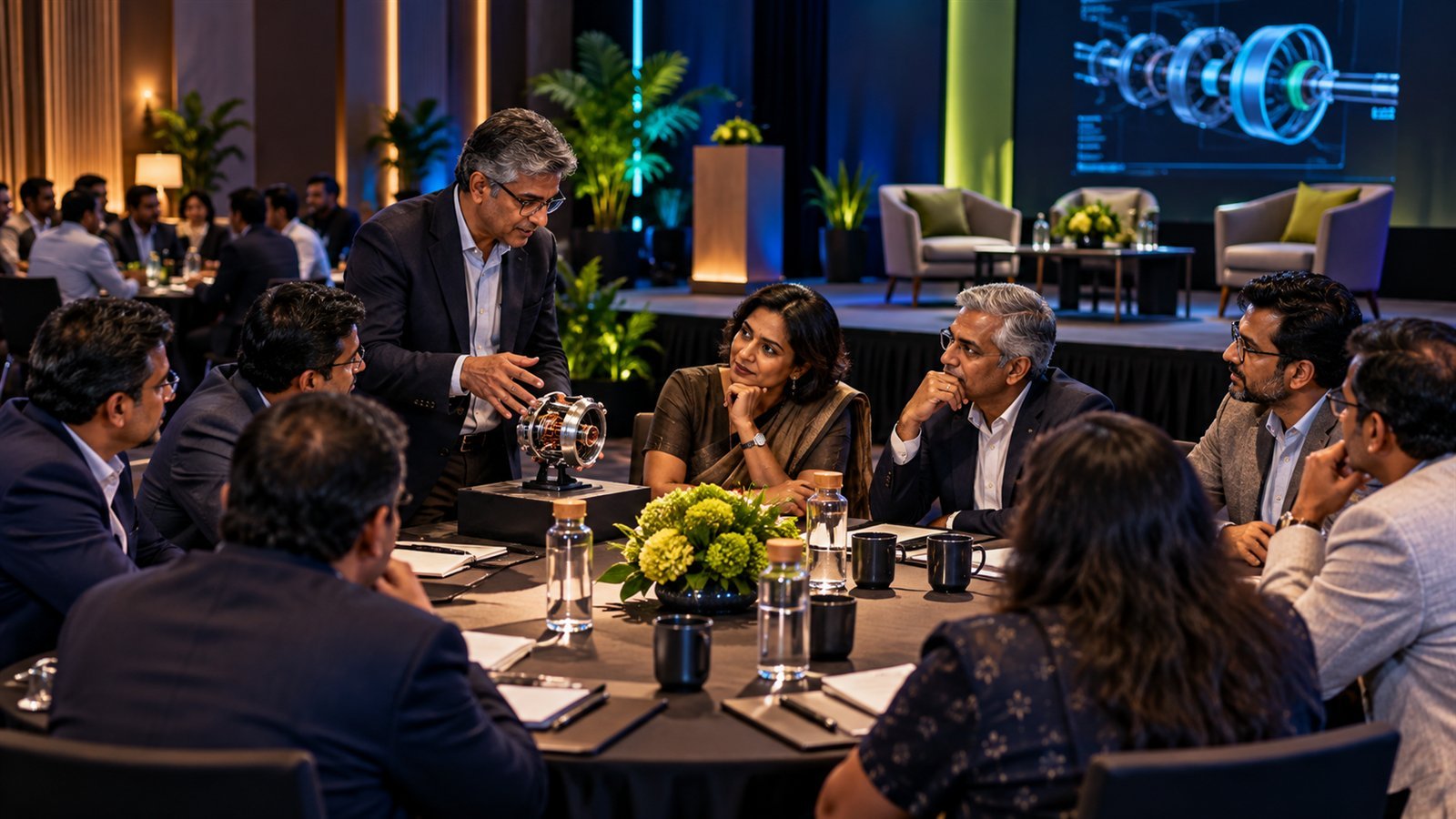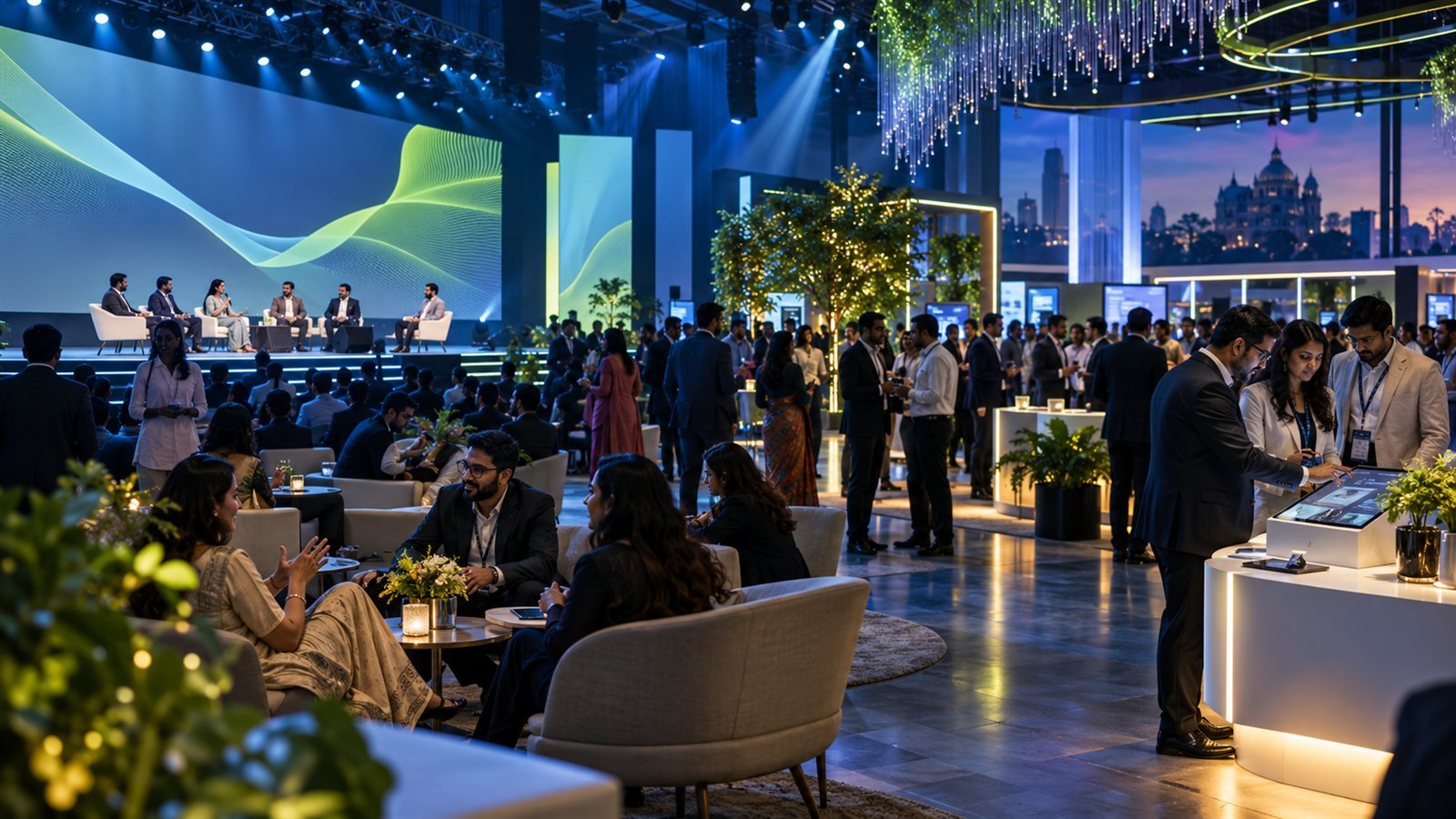
The event industry is entering 2027 with improving confidence but less tolerance for generic experiences. MPI's Q3 2026 Meetings Outlook reported favourable business projections from 60% of respondents, positive live-attendance expectations from 61%, and favourable budget expectations from 56%. At the same time, 73% said intentional event design would be very important or essential to business outcomes over the next two years.
1. Intentional design replaces agenda stuffing
The planning question is shifting from “How many sessions can we fit?” to “What should people think, feel or do differently?” Leaner agendas, purposeful whitespace, participatory formats and a clear emotional arc will outperform programmes built around volume.
2. AI becomes an operating layer
AI will support research, content drafts, supplier comparisons, personalised recommendations, matchmaking and reporting. The winning model is not an automated event; it is a capable team using AI to remove repetitive work while protecting human judgment, consent and data quality.
3. Specialised meetings gain ground
Broad conferences are being complemented by smaller gatherings built around a role, problem, therapy area or buyer segment. These formats promise higher relevance, stronger peer access and clearer sponsorship value.
4. Learning moves across the whole event
Freeman's 2026 learning research found attendees would ideally spend more than half their learning time outside general sessions or keynotes. Product demonstrations, expert conversations, peer exchange and expo-floor theatres should be designed as learning environments—not left to chance.
5. Registration stays fluid for longer
Maritz reports that 43% of conference-goers register within four weeks of an event, including some on site. Planners need rolling forecasts, flexible F&B commitments, rapid badge workflows and marketing that remains persuasive after early-bird pricing ends.
6. Hospitality becomes a strategic differentiator
Small moments—clear arrivals, personal recognition, thoughtful food, useful downtime and responsive support—shape memory more reliably than spectacle alone. Hospitality is becoming part of event design, not a service layer added later.
7. Impact replaces activity reporting
Attendance, impressions and app downloads describe activity. Buyers increasingly want evidence of qualified connections, learning, confidence, sales movement or behaviour change. Use EventSphereX's guide to measuring human impact to build a practical framework.
8. Neuroinclusive design moves into the brief
Quiet spaces, clear pre-event communication, multiple participation formats, predictable transitions and sensory awareness help more attendees participate at their best. Inclusive design improves the experience for everyone, not only people who disclose a need.
9. Safety planning becomes more visible
MPI's October 2026 preview of its forthcoming Q4 outlook says the report will include its deepest event safety and security analysis yet. Buyers should expect venues and agencies to explain contingency ownership, communications and decision thresholds—not merely provide a generic emergency document.
What should planners do first?
Choose three moves: define one measurable outcome, remove one low-value agenda element, and improve one part of the attendee journey. Then assign ownership and evidence. Trends create value only when they change a planning decision.