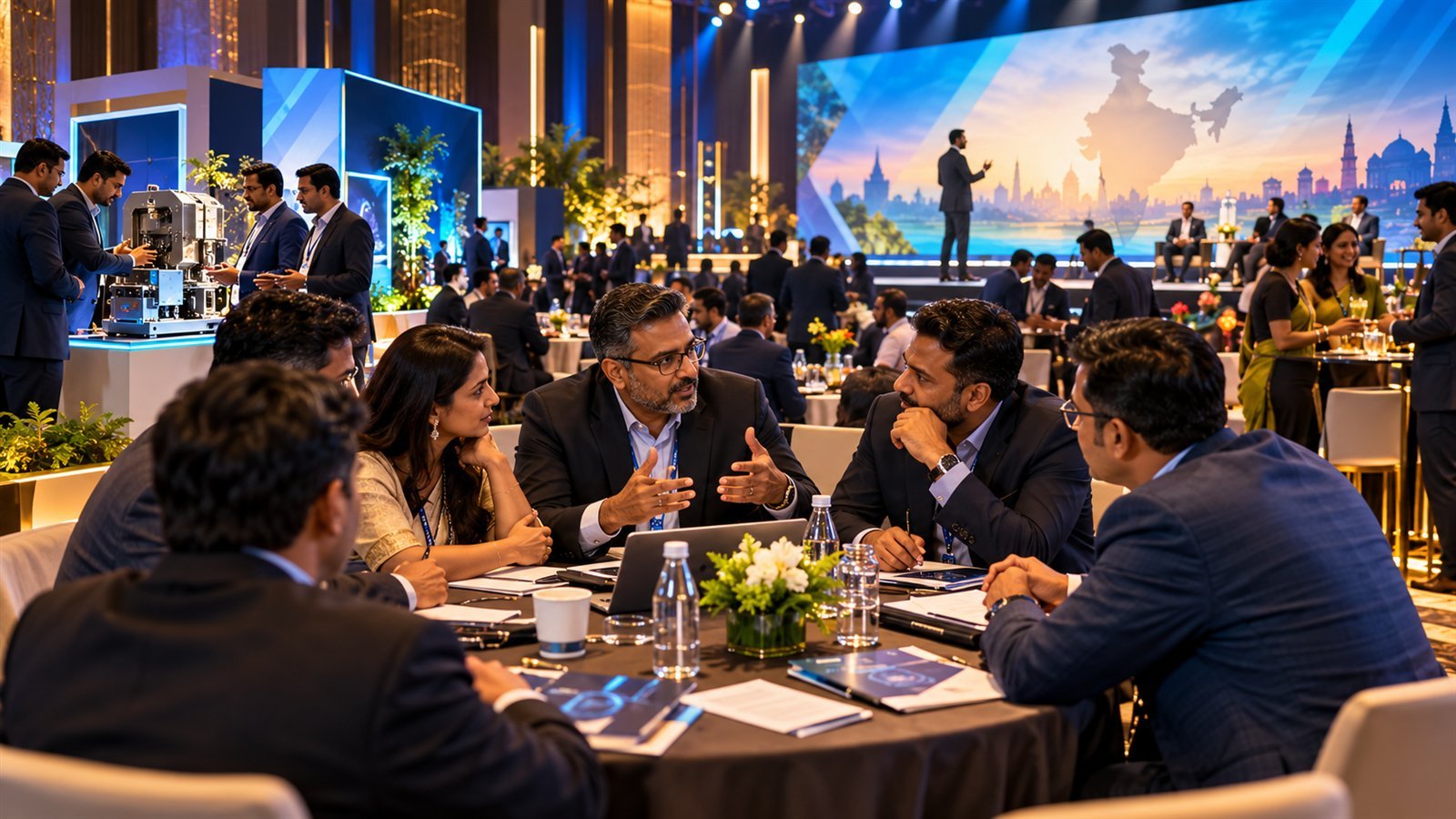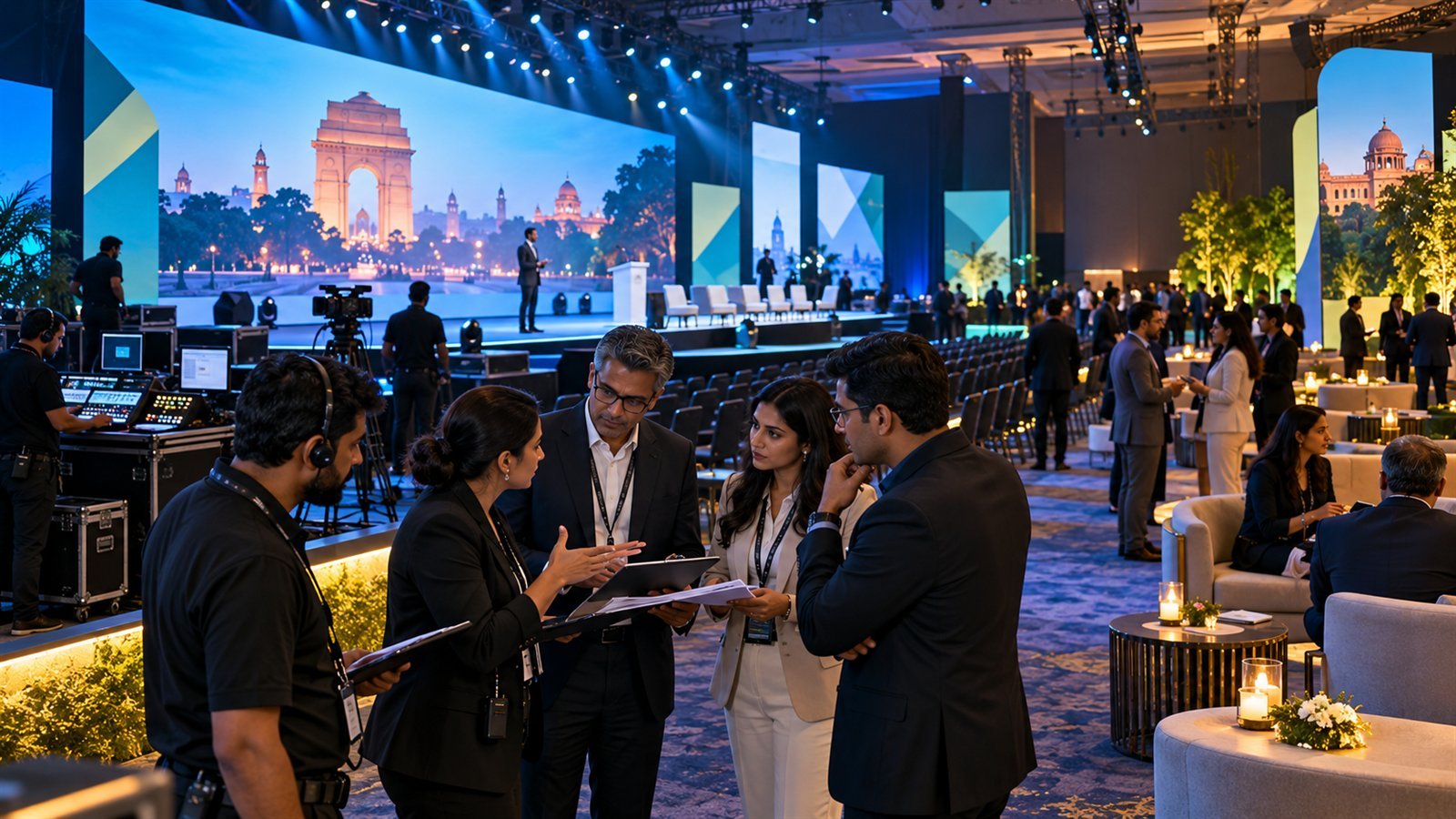
Corporate conferences fail when planning streams move independently. Content promises an interactive event, the room is theatre-style, production receives slides late, and measurement begins with a post-event survey. A blueprint connects the system early.
Phase 1: strategy and governance
Define the business outcome, audience segments, decision team, working budget and approval path. Write a one-page event charter so every supplier works from the same intent.
Phase 2: programme and venue
Create the learning and interaction architecture before final room layouts. Evaluate access, capacity, breakout flow, ceiling/rigging, acoustics, loading, power, connectivity, accessibility and backup options.
Phase 3: content and production
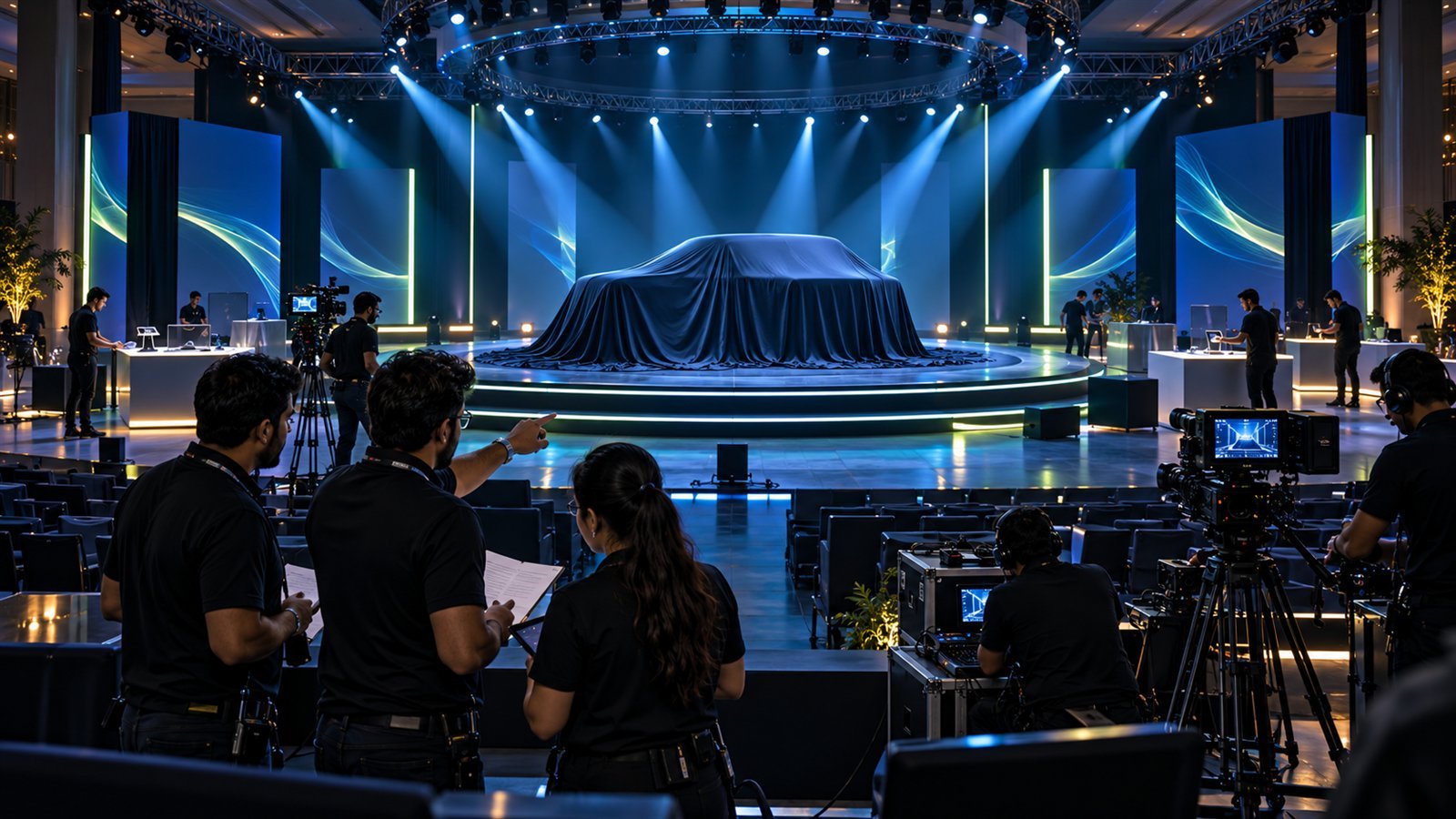
Give speakers a clear audience brief and content milestones. Develop the show flow, screen content, audio, lighting, staging, playback and rehearsals as one integrated plan.
Phase 4: attendee journey
Map invitation, registration, travel, arrival, navigation, participation, meals, support and departure. Include neuroinclusive choices such as clear pre-event information and quiet space; see the neuroinclusive planning guide.
Phase 5: safety and live command
Document ownership for medical response, evacuation, weather, crowd movement, lost persons, technical failure and communications. Run a cross-functional briefing before doors open.
Phase 6: evidence and follow-up
Collect only data linked to the objective. Assign owners for attendee questions, leads, actions and content distribution before the event ends.
Use the 2027 event trends guide to pressure-test the format.