Inclusive design is moving from a courtesy to a professional planning standard. IMEX, working with the American Psychological Association and Australian Psychological Society, introduced a standardised framework for neurodivergent inclusivity and received its highest Level III endorsement for IMEX America.
Before registration opens
- name an accessibility owner;
- publish the venue route, transport and arrival sequence;
- describe lighting, sound, crowd density and session formats;
- offer a direct, private channel for support requests;
- ask about useful adjustments, not diagnoses.
During registration
Use short questions and explain why information is collected. Let attendees identify dietary, mobility, sensory, communication or seating needs. State who can access the data and when it will be deleted.
In the venue
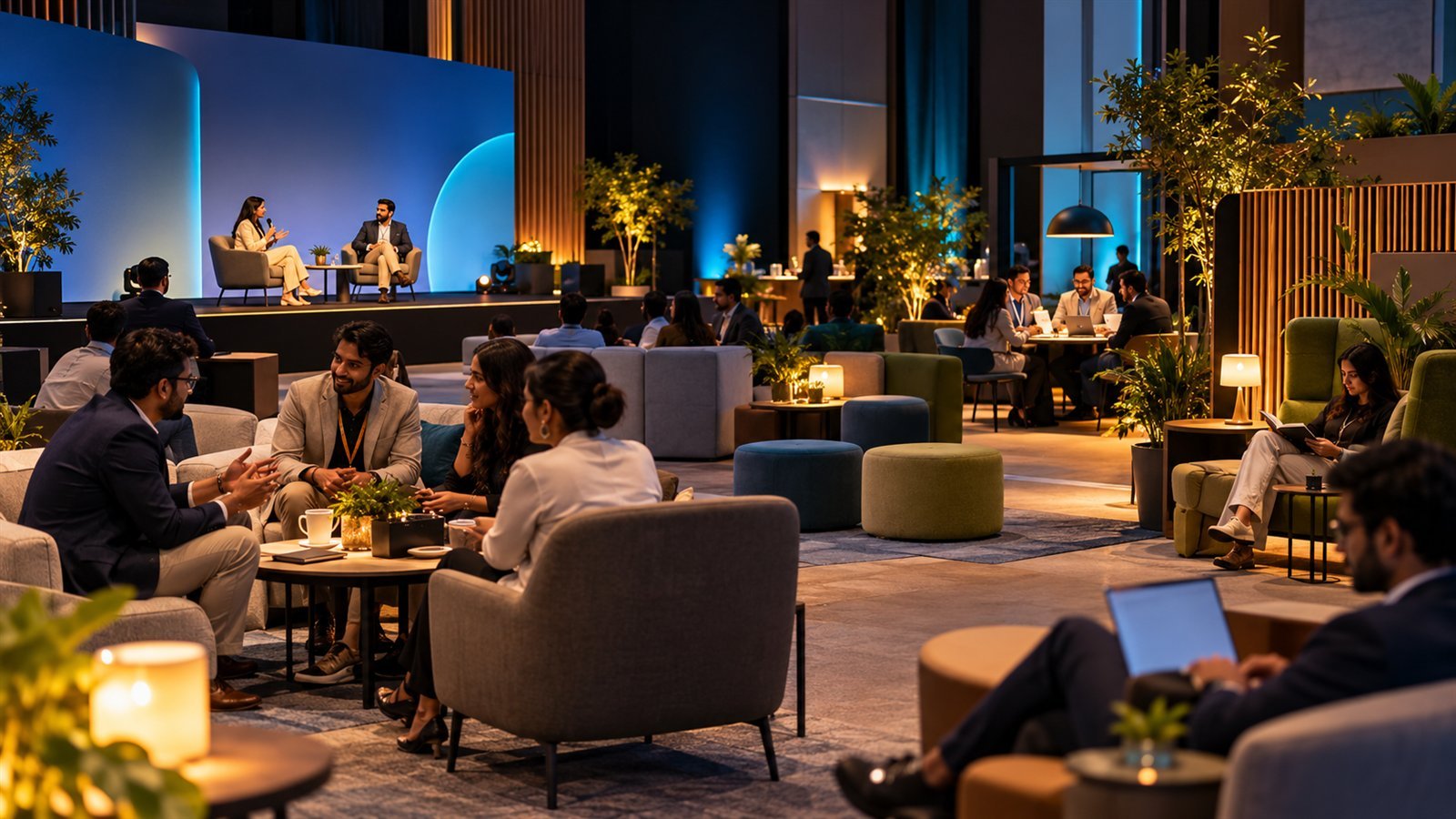
Create clear wayfinding and predictable transitions. Offer varied seating, easy exits and permission to stand or move. Avoid using flashing light, sudden sound and dense visual animation unless the content genuinely requires it—and communicate it in advance.
Build a real quiet room
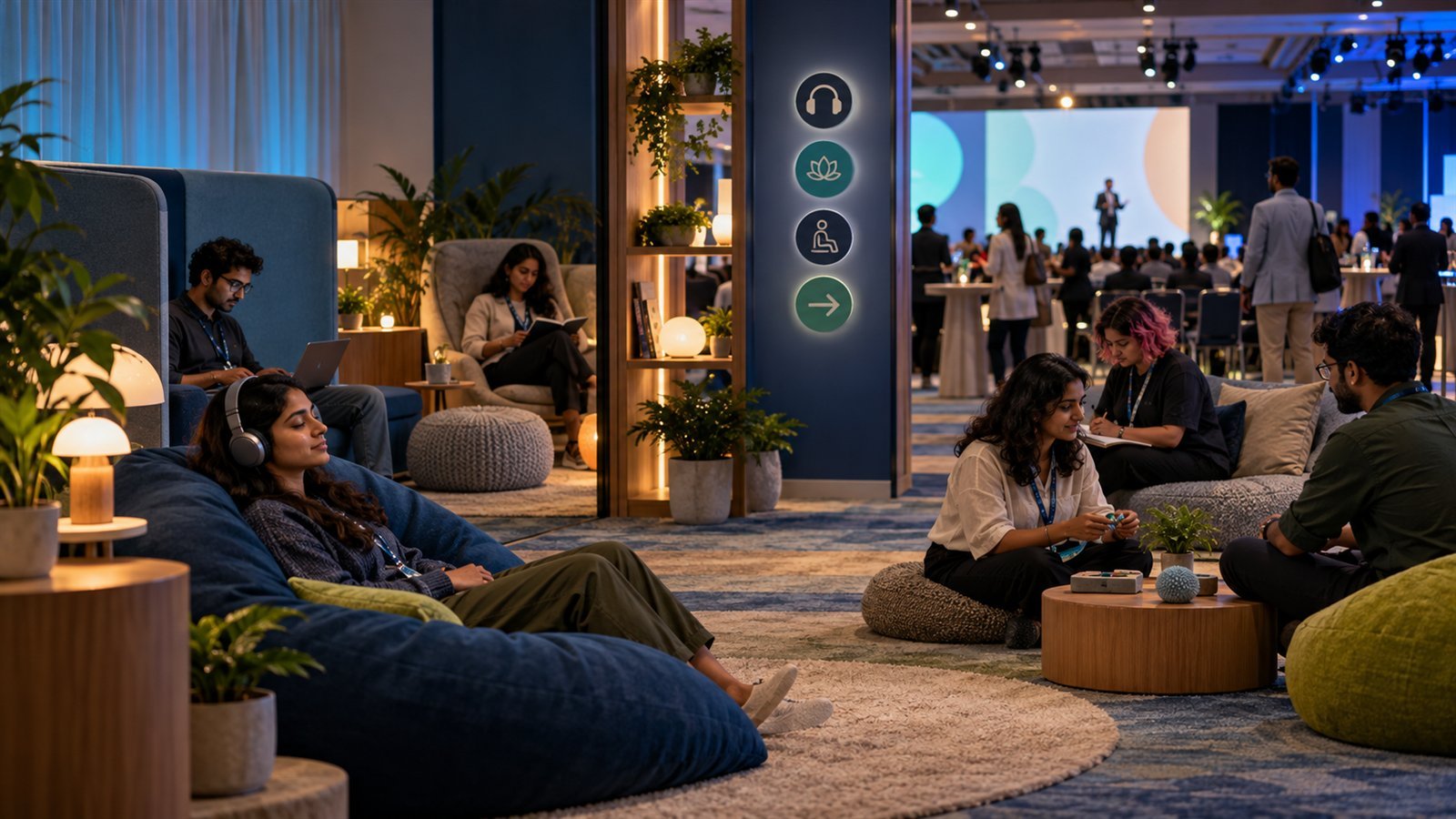
A quiet room is not a sponsor lounge with the music lowered. It should be calm, supervised lightly, free from networking pressure and easy to find. Include low lighting, comfortable seating, water and a clear expectation of minimal conversation.
Design flexible participation
Let people ask questions digitally or verbally, join a discussion in pairs before speaking to the room, access slides afterwards and take breaks without penalty. Choice increases participation without forcing visibility.
Brief speakers and staff
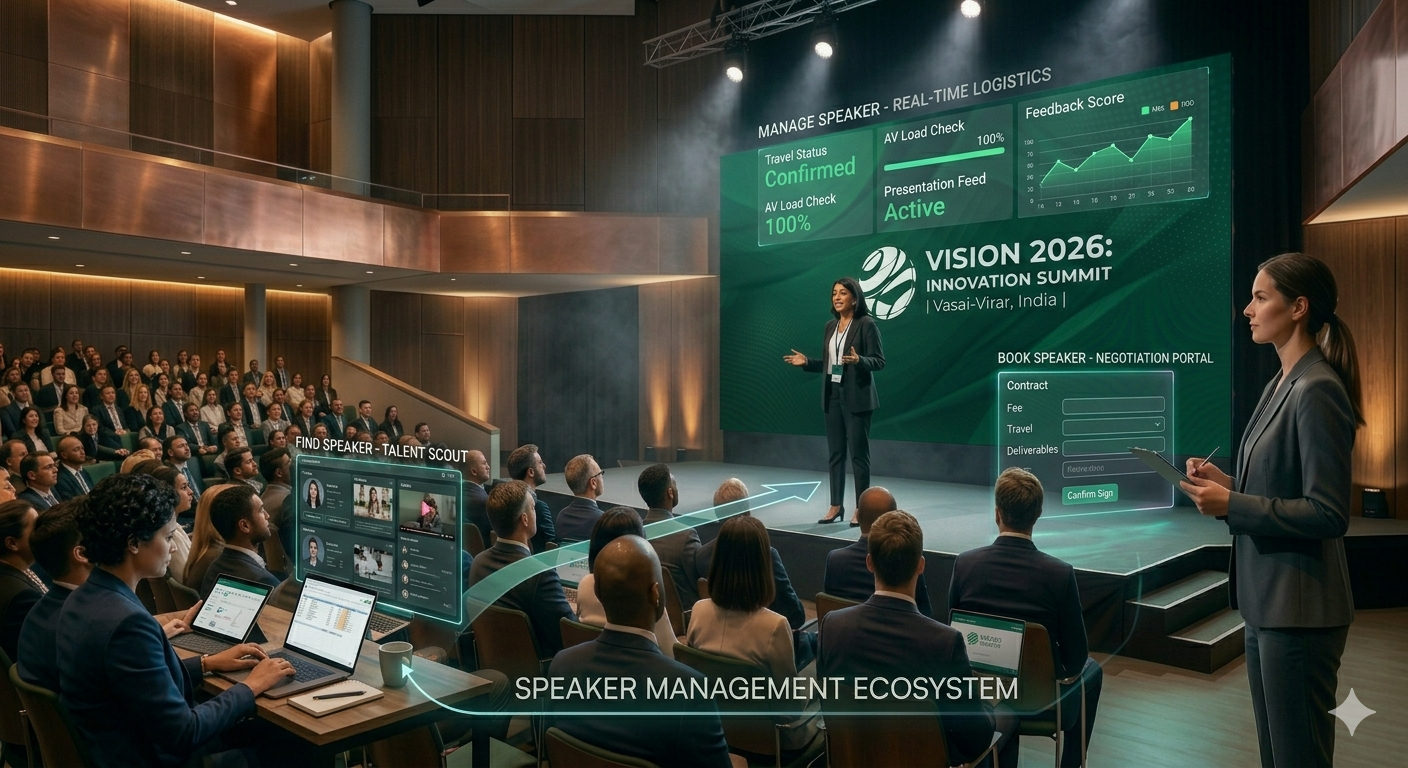
Speakers should explain session structure, describe important visuals, use clear language and avoid surprise audience exercises. Frontline staff need respectful response scripts and an escalation contact.
Measure whether it worked
Ask whether attendees could find information, regulate their energy, participate in a suitable way and request help without friction. Review patterns without exposing personal information.
Neuroinclusive design does not lower the event's energy. It removes unnecessary barriers so more people can contribute at their best.