Intentional event design begins before venue selection and production styling. It asks a more disciplined question: what useful change should this gathering create?
MPI's Q3 2026 Meetings Outlook found 73% of respondents expect intentional design to be very important or essential for achieving business outcomes over the next two years. IMEX leaders describe a related shift from designing around logistics and content toward designing around human needs.
Step 1: define the change
Write one sentence: “After this event, this audience will be more likely to ___, demonstrated by ___.” If the blank cannot be completed, the agenda is premature.
Step 2: understand the audience's starting point
Separate first-timers from experts, buyers from sellers, leaders from operators, and confident participants from people who need more structure. One format rarely serves every group equally.
Step 3: map energy, not only time
Alternate attention, discussion, movement, reflection and hospitality. Avoid stacking keynote after keynote. Add whitespace where people can process ideas and form relationships.
Step 4: choose participation deliberately
Use a keynote for shared direction, a demonstration for applied understanding, a roundtable for peer exchange and a workshop for practice. Do not add interaction merely to appear interactive.
Step 5: make the space support the behaviour
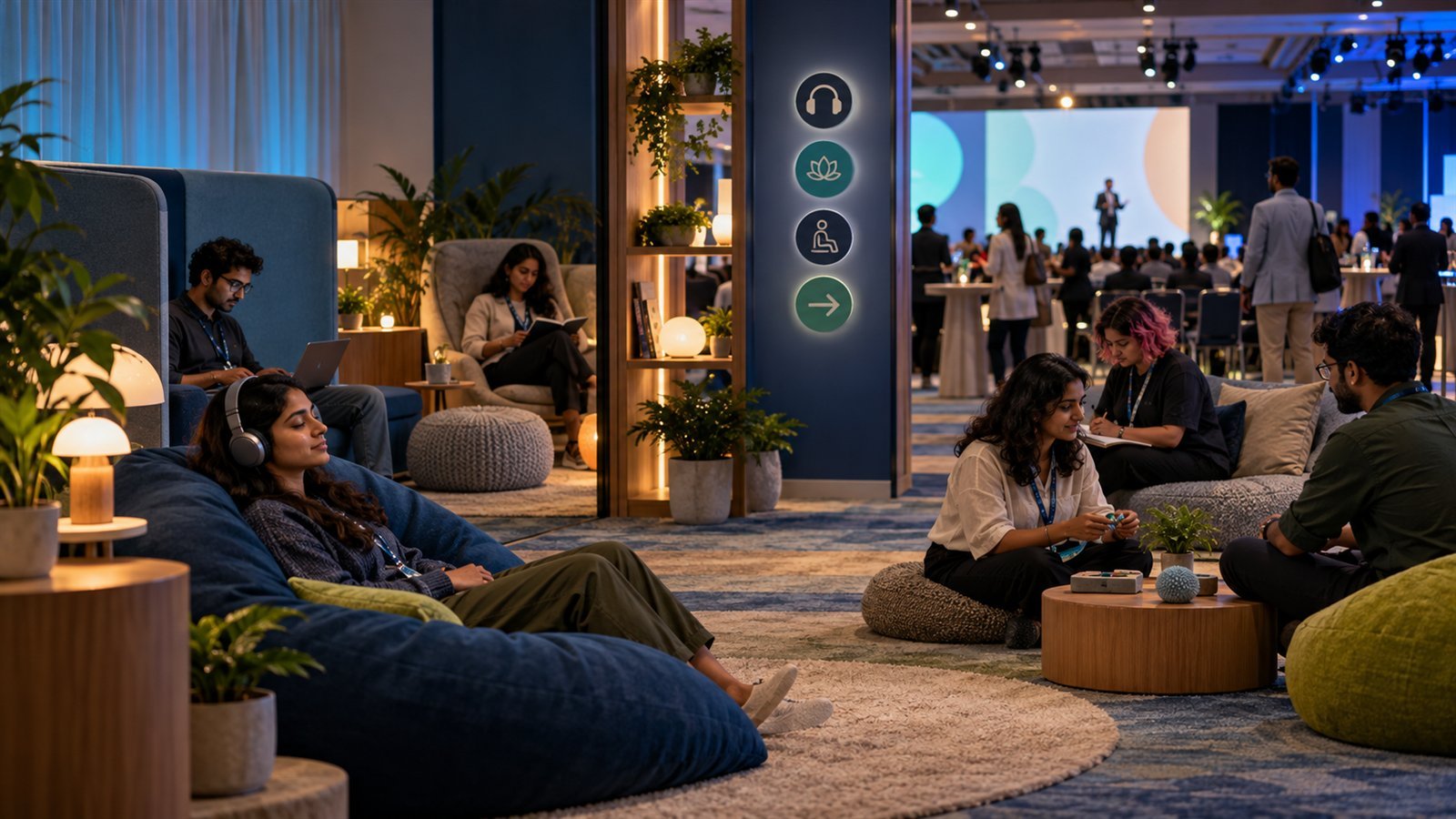
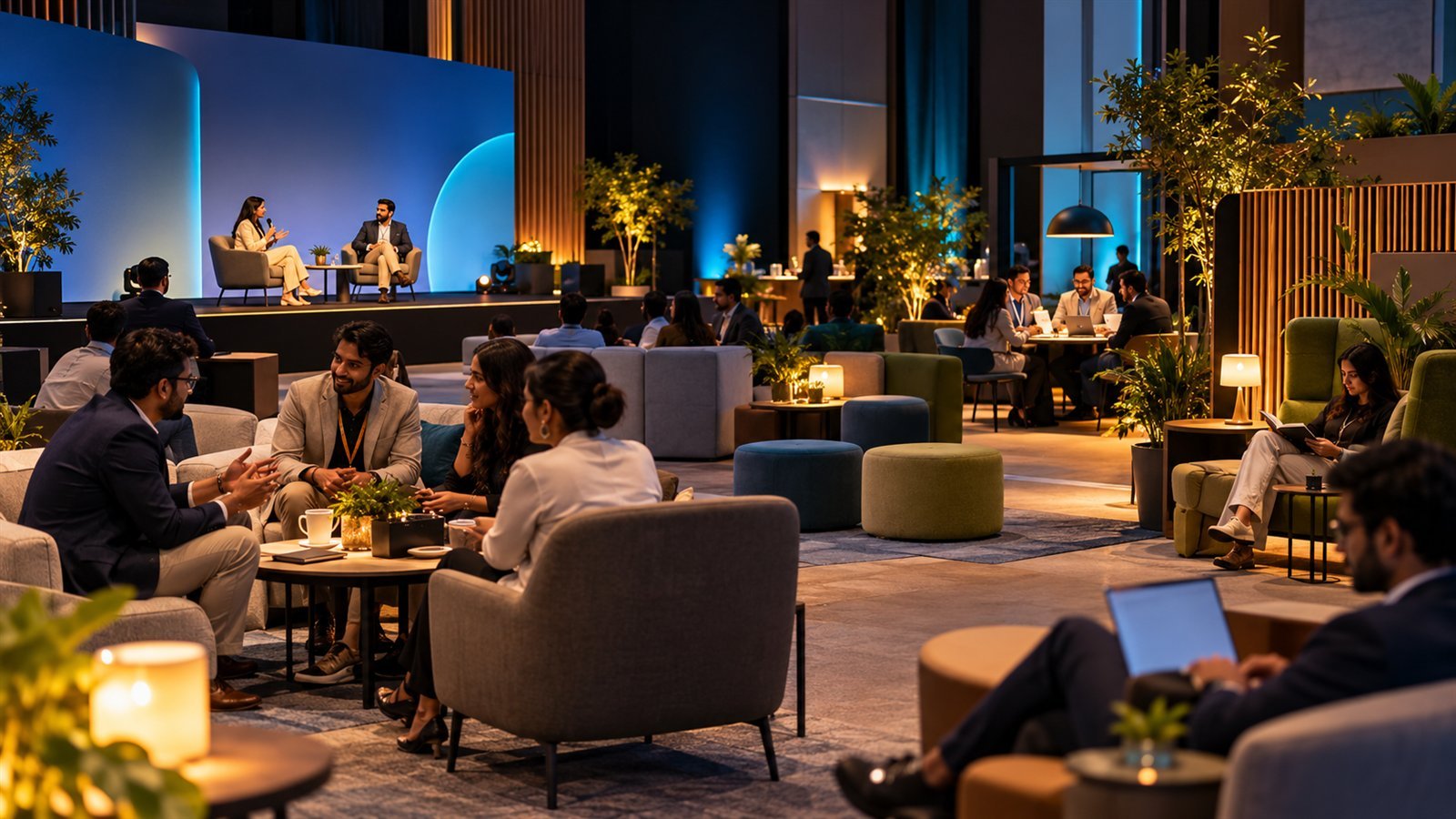
Room layout communicates expectations. Theatre seating says listen. Rounds say discuss. Standing tables say move and meet. Quiet rooms say recovery is permitted. Choose the space after the desired behaviour is clear.
Step 6: use technology only where it removes friction
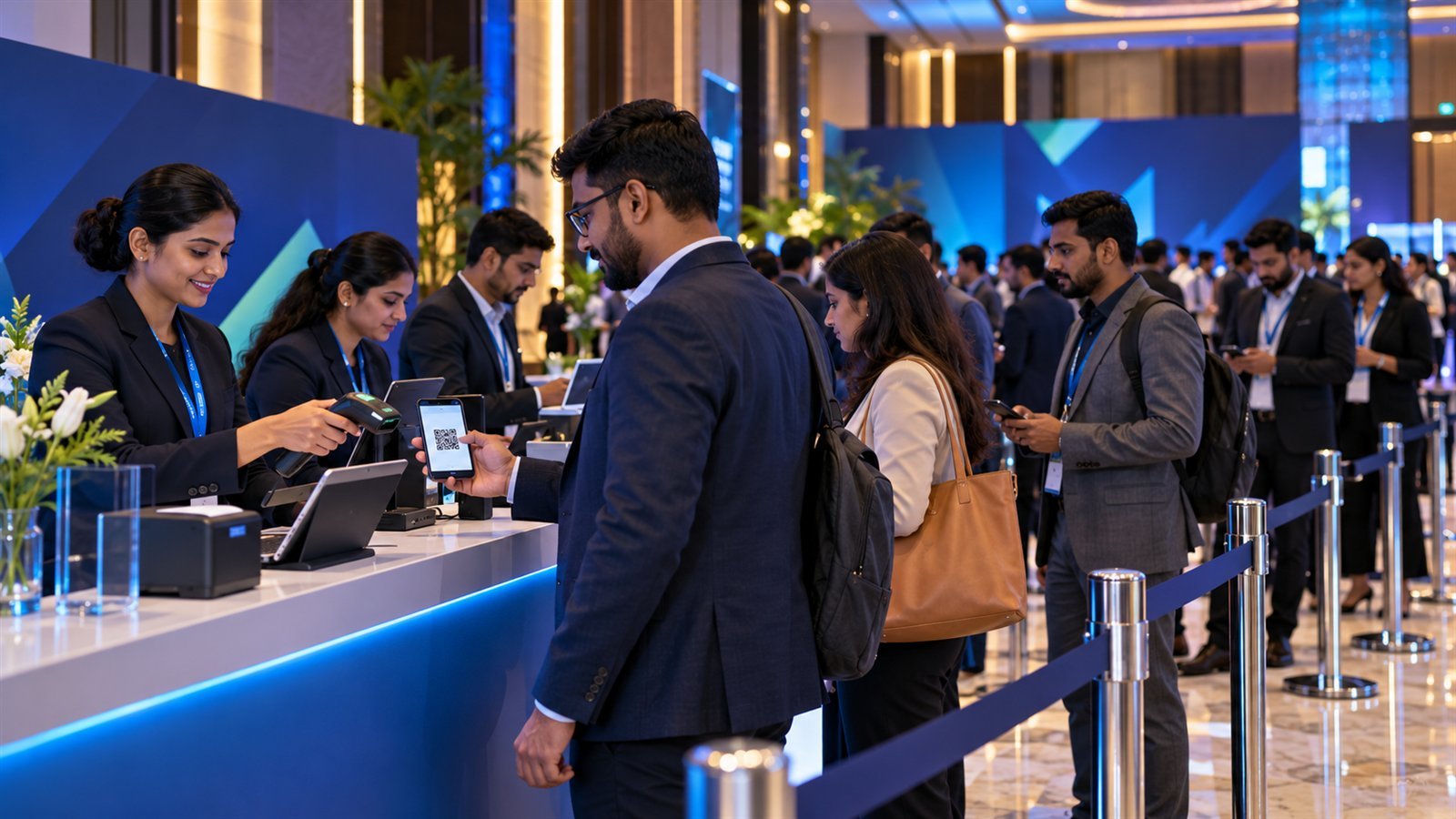
Registration, matchmaking, accessibility, Q&A and follow-up are strong use cases. A technology feature without a clear attendee need becomes another instruction to learn.
Step 7: close the loop
Tell attendees the next action, give them a usable resource and follow up when the action has had time to occur. Connect the design to the human-impact measurement framework.
What should you remove?
Remove duplicate panels, ceremonial speeches without audience value, transitions that waste time and technology that exists only for novelty. Intentional design is as much about subtraction as addition.