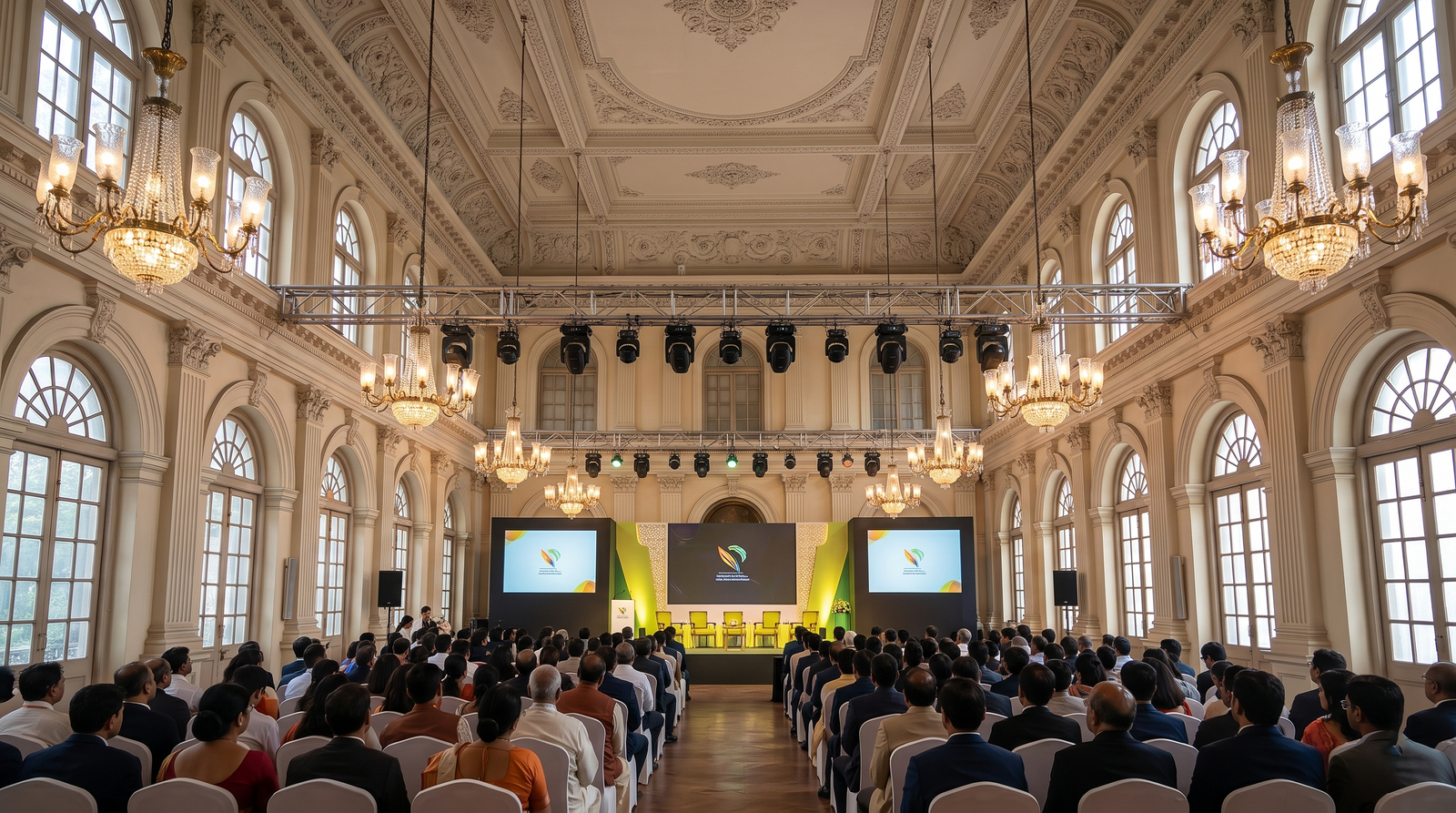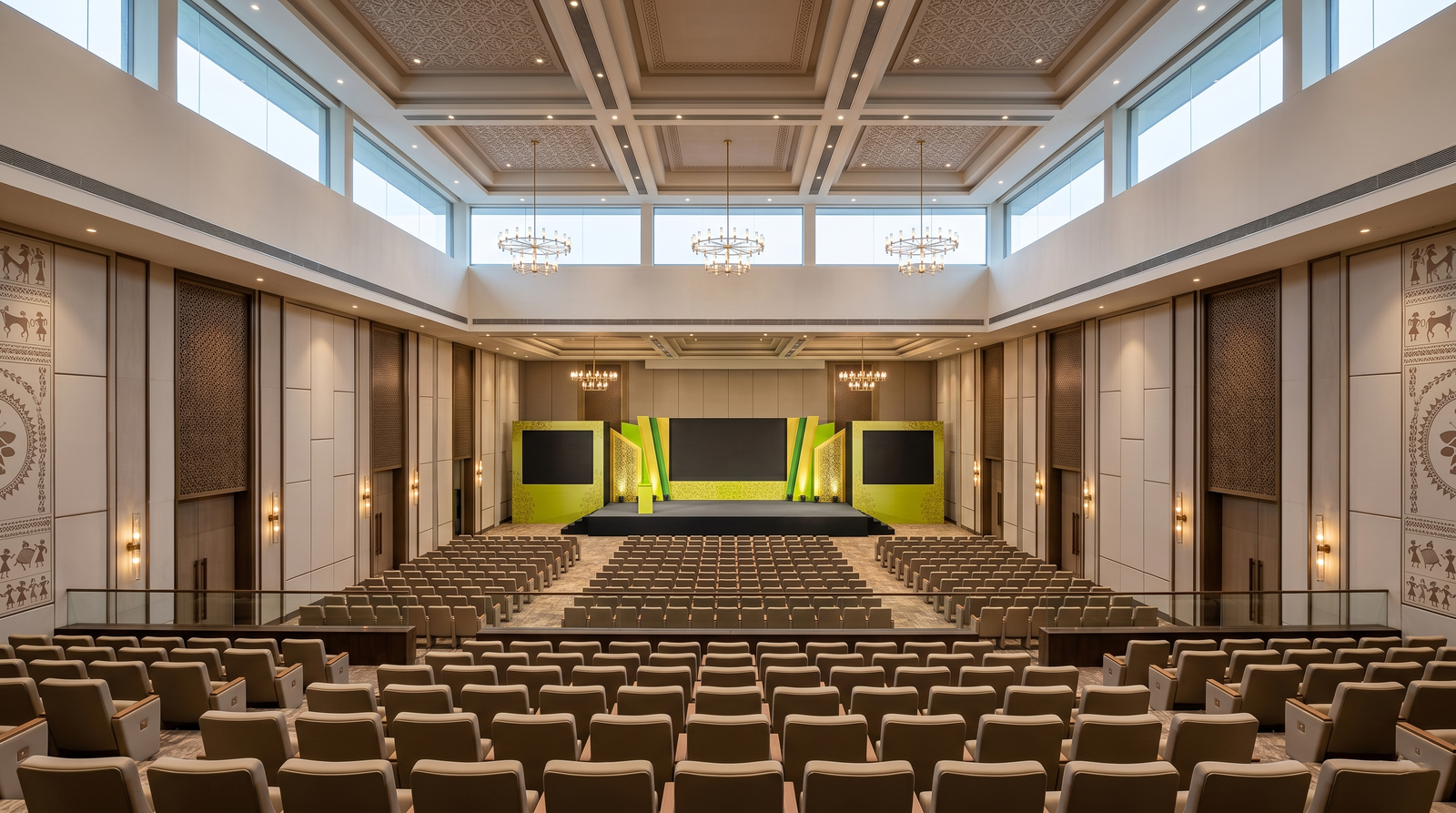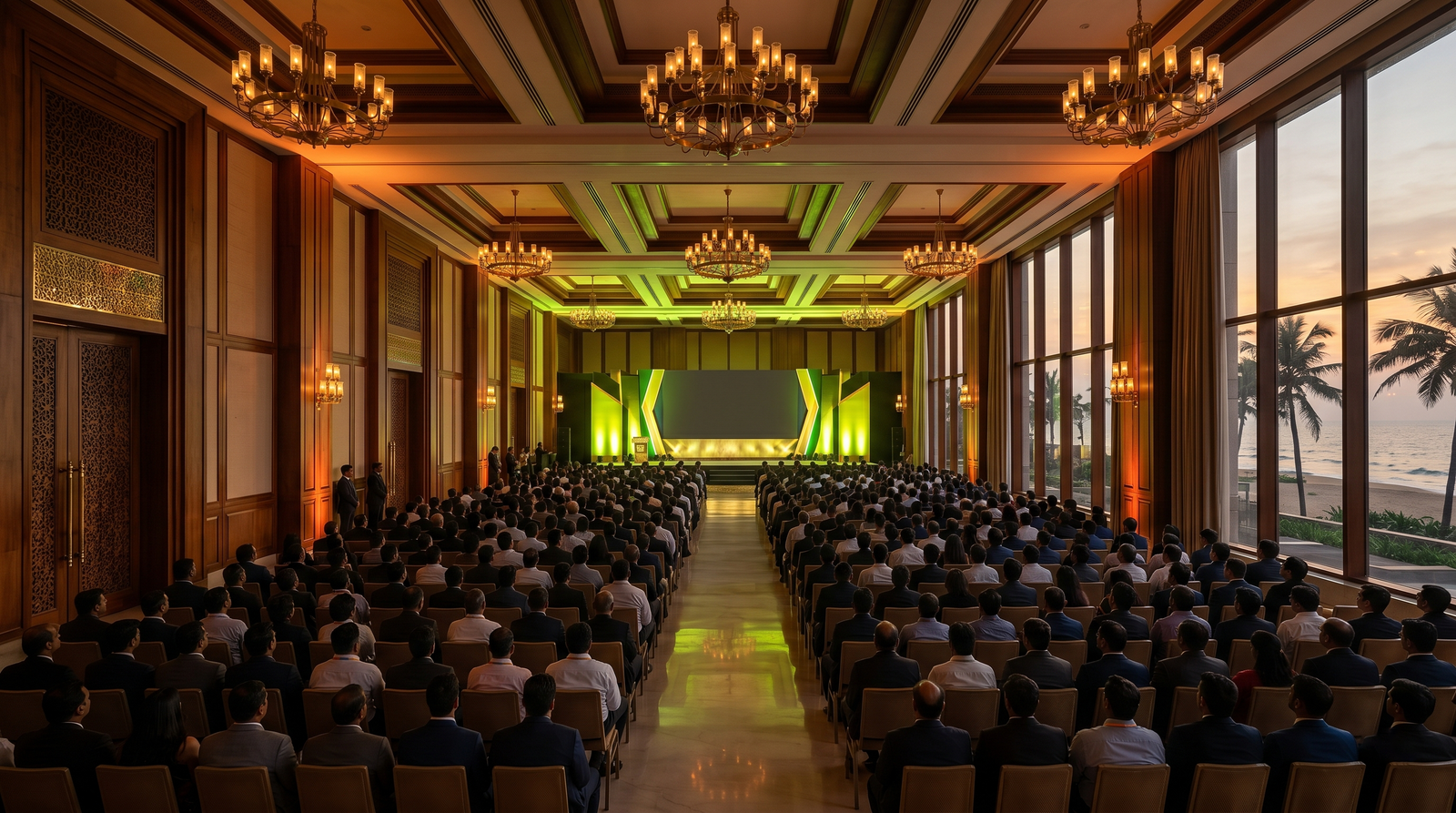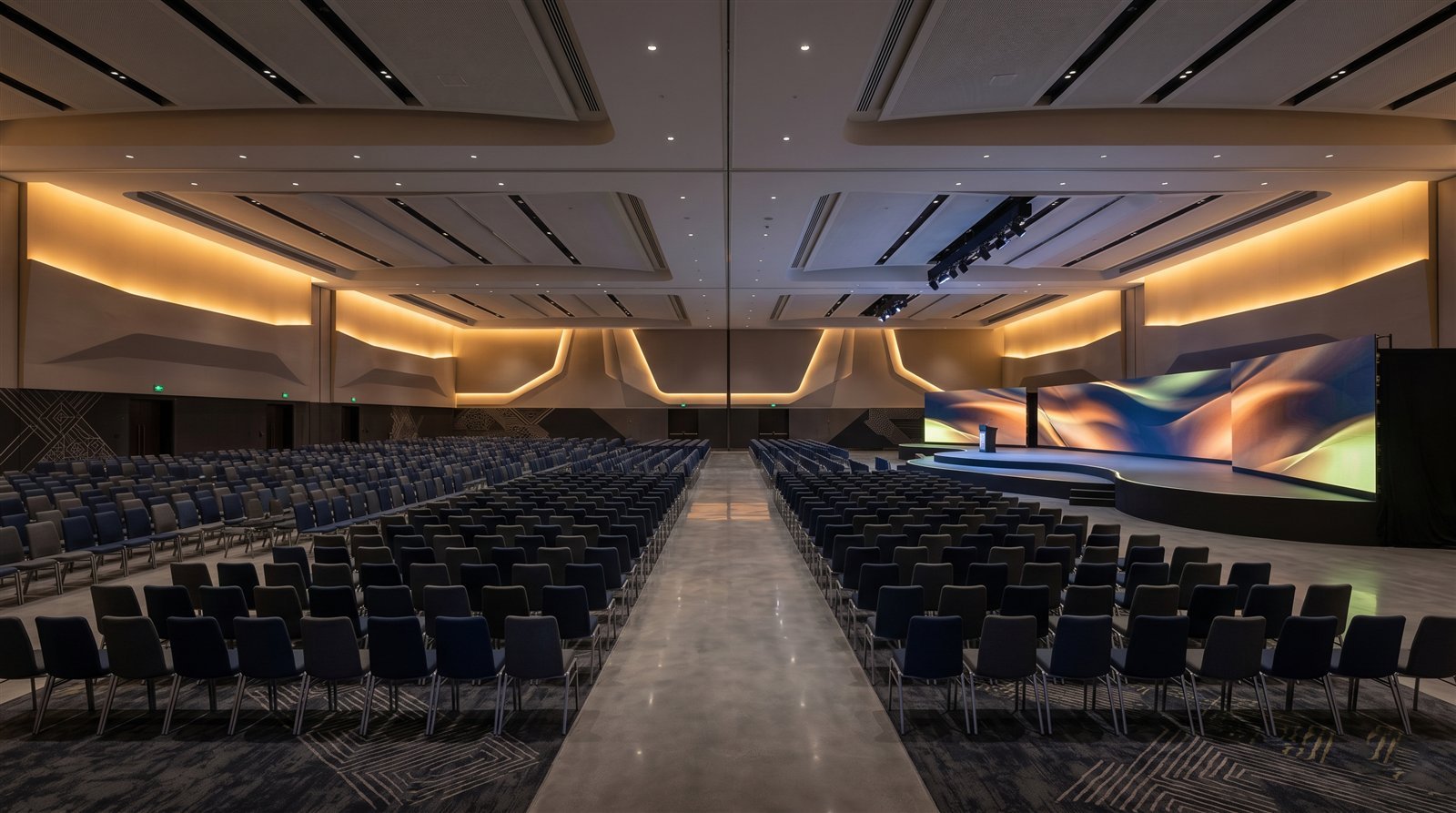
Venue sourcing in 2026 is shifting from volume to value. A large ballroom and an attractive rate can earn consideration, but they do not automatically win the event.
Cvent's 2026 Global Planner Sourcing Report surveyed 1,650 planners. Its central finding is that planners are under pressure to improve engagement, experience and efficiency—not simply increase the number of events. Sixty-three percent identified attendee engagement as a leading success KPI.
That changes what a strong venue proposal must prove.
What are the seven venue sourcing priorities in 2026?
| Priority | What the planner needs to verify |
|---|---|
| 1. Engagement fit | Can the space support the interactions the agenda requires? |
| 2. Response quality | Is the proposal fast, complete and easy to compare? |
| 3. Total cost clarity | What is mandatory, optional, taxed or charged separately? |
| 4. Flexibility | Can spaces, dates and commercial terms adapt? |
| 5. Technology reliability | Will internet, AV, power and hybrid delivery work under load? |
| 6. Attendee access | Is arrival, movement and participation easy for the whole audience? |
| 7. Outcome evidence | Has the venue delivered comparable formats successfully? |
1. Does the space improve attendee engagement?
Planners increasingly begin with the behavior they want to create: learning, networking, product discovery, team alignment or buyer-seller meetings. The room should follow that objective.
A venue should show more than theatre-style maximum capacity. Useful proposals include:
- capacities for classroom, cabaret, rounds and standing formats;
- pre-function and informal networking areas;
- sightlines, ceiling heights, rigging and acoustic constraints;
- realistic session-changeover times;
- quiet rooms, speaker holding and sponsor spaces;
- attendee-flow plans for registration, meals and exits.
A 700-person room that forces a passive format may be less valuable than a 500-person room that makes participation easier.
2. Is the RFP response fast, complete and comparable?
Venue responsiveness is part of the buying experience. A fast acknowledgement reduces uncertainty; a complete proposal reduces planner workload.
The best response mirrors the RFP structure, separates confirmed information from assumptions and names one accountable contact. Do not bury exclusions in a brochure. State them next to the relevant price or service.
For organisers, use an event vendor RFP process that gives every venue the same requirements and comparison deadline.
3. Is the total cost transparent?
Planners need the landed event cost, not a headline room rental. A credible proposal itemises:
- venue rental and minimum spends;
- food and beverage rates, taxes and service charges;
- internet bandwidth and dedicated-line costs;
- AV, power, rigging and technician charges;
- security, housekeeping and overtime;
- rehearsal, loading and setup time;
- permits, parking, storage and branding fees;
- cancellation, attrition and rescheduling terms.
Transparent pricing does not always make a venue cheaper. It makes the decision safer.
4. How flexible are the spaces and contract terms?
Planners are managing cost pressure and uncertain attendance. Venues that can reconfigure rooms, phase a release schedule or offer clear rescheduling terms reduce risk.
Flexibility should be specific. “Subject to availability” is not a plan. Show the deadline, cost and operational consequence for changing headcount, rooms, dates or service scope.
5. Can the venue's technology survive the real event?
Cvent reports that 84% of planners expect AI to have a moderate or major impact in 2026, while 61% expect to increase their AI use. AI may speed research and proposal comparison, but venue delivery still depends on physical infrastructure.
Ask for:
- tested internet capacity for attendees, production and registration;
- redundant connectivity where digital access is business-critical;
- power distribution and backup details;
- in-house versus external AV responsibilities;
- hybrid-streaming positions and cable paths;
- technical support hours and escalation contacts.
Do not accept a speed test taken in an empty venue as proof of performance under a full attendee load.
6. Can every attendee reach and use the venue?
Access includes airport and railway connectivity, local transport, parking, hotel proximity and safe arrival—not only a pin on a map. It also includes step-free routes, accessible toilets, seating options, clear signage and dietary handling.
For destination events, evaluate the complete journey. KPMG's 2026 India study found that 54.4% of surveyed visitors travelled outside their home city for their most recent event, and outstation visitors represented 70.4% of scaled visitor spending.
7. Can the venue prove it can deliver this format?
Ask for evidence from comparable events, not only a logo wall. Useful proof includes annotated floor plans, operational timelines, sample menus, internet or power specifications, client references and a clear account of how the venue handled a constraint.
A venue that honestly explains its limits is often safer than one that promises everything.
A practical venue shortlist scorecard
Score each candidate from 1 to 5 against the same weighted criteria.
| Criterion | Suggested weight |
|---|---|
| Objective and engagement fit | 25% |
| Total cost and commercial clarity | 20% |
| Operations and responsiveness | 15% |
| Technology and production | 15% |
| Location, access and accommodation | 15% |
| Flexibility and risk terms | 10% |
Adjust the weights before opening proposals. Doing it afterwards makes it too easy to justify a preferred venue with changing criteria.
What should venues change on their website?
Publish current, structured information that people and AI-assisted search tools can understand:
- room capacities by layout;
- downloadable floor plans and dimensions;
- location and transport details;
- accessibility information;
- production and internet specifications;
- an RFP response expectation;
- dated case studies for specific event formats.
This is useful for traditional search, answer engines and human buyers because every audience needs the same thing: a clear answer backed by evidence.