As technology evolves, the way we organize events is changing too. In recent years, virtual and hybrid events have gained popularity in India, especially due to the pandemic. These events allow people to connect, network, and share ideas without needing to be in the same physical space. But what does the future hold for virtual and hybrid events in India? Let’s explore.
What Are Virtual and Hybrid Events?
- Virtual events take place entirely online. People can attend from anywhere in the world using their computers or mobile devices.
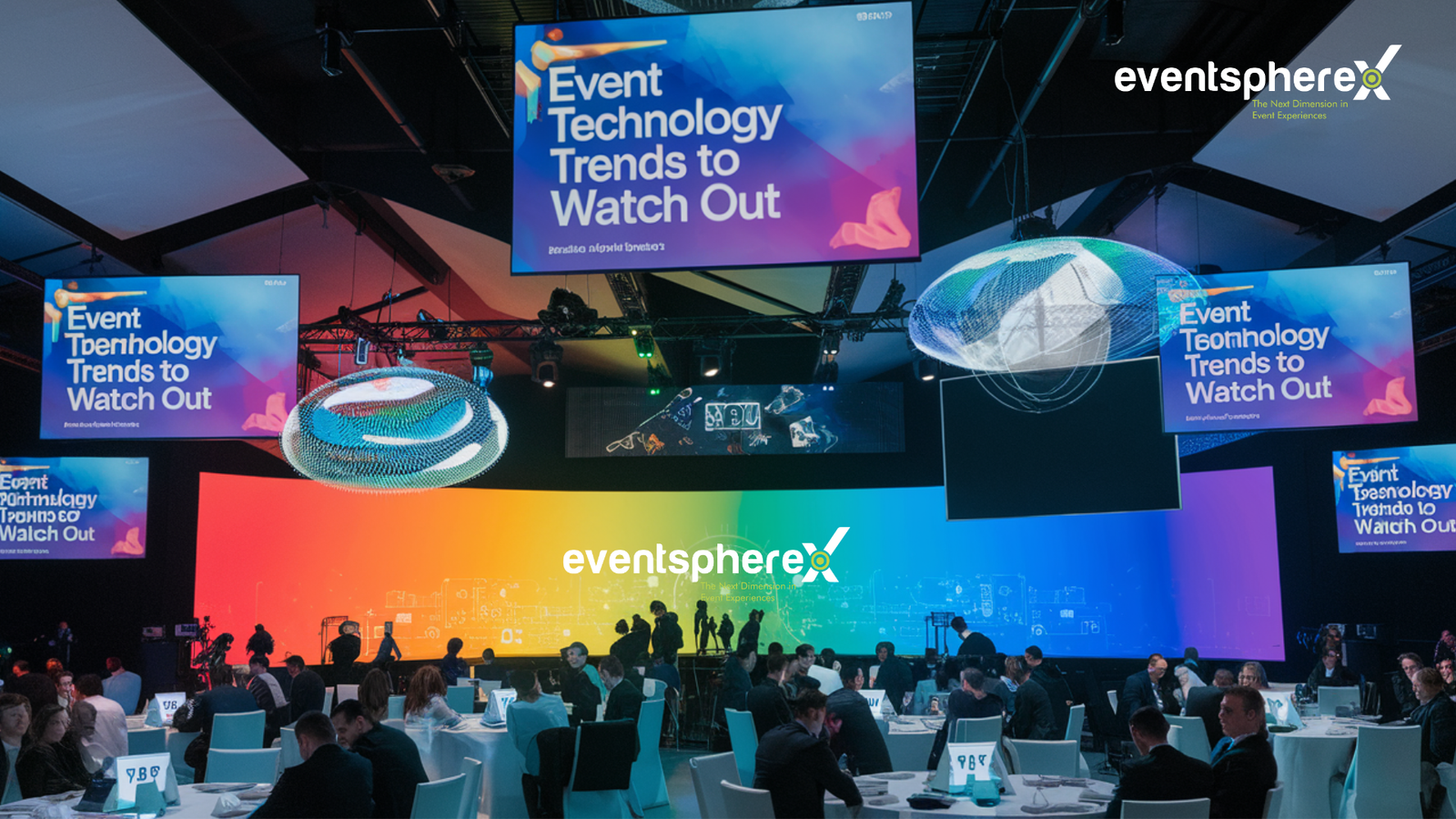
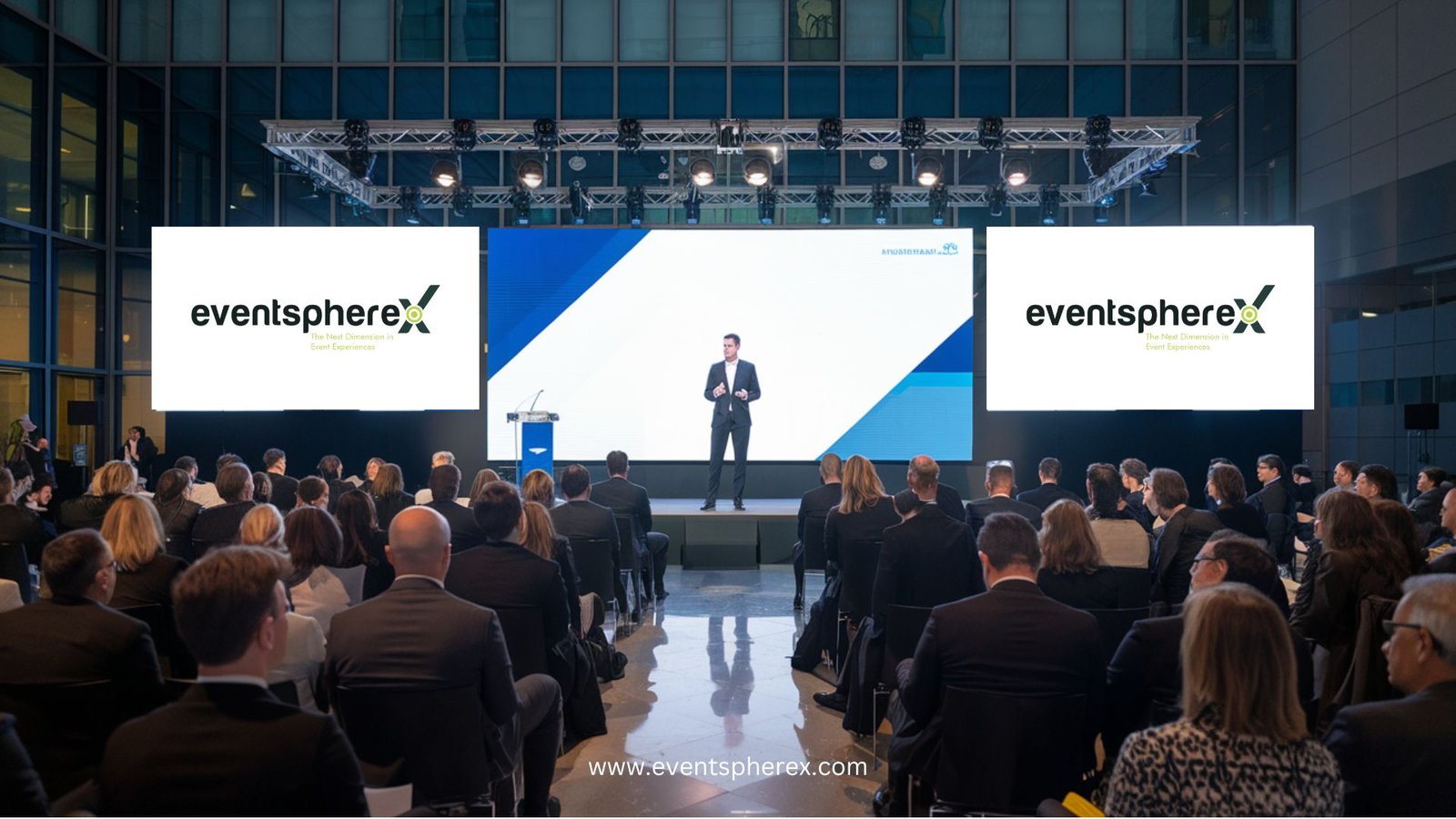
- Hybrid events combine both in-person and virtual experiences. Some attendees are physically present at the venue, while others join online.
These events offer flexibility, allowing more people to participate, no matter where they are.
Why Are They Gaining Popularity?
- Accessibility: Virtual and hybrid events allow people from different cities, states, or even countries to attend without the need to travel.
- Cost-Effective: With fewer expenses on travel, accommodation, and venues, companies can save money while reaching a larger audience. EventSphereX helps companies execute these events cost-effectively while ensuring quality.
- Flexibility: Whether it’s for conferences, product launches, or corporate meetings, these events can be tailored to fit different needs.
- Health & Safety: Even as things improve post-pandemic, hybrid events remain a safe and popular option for companies looking to balance in-person interaction with virtual accessibility.
The Future of Virtual and Hybrid Events in India
he future of virtual and hybrid events in India is bright, with several key trends shaping the industry:
- Advanced Technology: As internet connectivity and digital tools improve, platforms for virtual events will evolve. Features like virtual reality (VR) and augmented reality (AR) could create immersive experiences, making virtual events feel more real. EventSphereX is already working on integrating these technologies into our events.
- Better Engagement Tools: Interactive features like live polls, Q&A sessions, and breakout rooms will become even more common, making it easier for online attendees to stay engaged and actively participate.
- Sustainability: Virtual and hybrid events are eco-friendly since they reduce the need for travel and printed materials. More companies will adopt these formats to reduce their carbon footprint.
- Wider Reach: Hybrid events enable companies to target both local and global audiences, increasing the scale and impact of their events. This inclusivity means more opportunities for collaboration and networking.
- Data Insights: Virtual platforms provide detailed analytics on attendee behavior, helping companies understand their audience better. This data will help improve event strategies over time.
Challenges Ahead
While the future is promising, there are still challenges to address:
- Digital Divide: Not everyone in India has access to high-speed internet or devices needed to join virtual events.
- Engagement: Keeping virtual attendees engaged can be tricky compared to in-person events.
Conclusion
Virtual and hybrid events are here to stay in India, offering flexible, cost-effective, and sustainable solutions for companies and attendees. The future of events will likely be a blend of virtual, hybrid, and in-person gatherings, providing more ways for people to connect and collaborate.