Artificial intelligence is no longer a buzzword in India's event industry — it's a practical tool that's saving time, cutting costs, and improving attendee experiences. Here's how AI is making its mark across every stage of event management.
AI in Event Planning
Smart Budget Optimization: AI tools can analyze historical event data to predict optimal budget allocation. Feed in your event type, city, guest count, and objectives — and AI suggests how to split your budget across venue, catering, production, and marketing for maximum ROI.
Venue Matching: Platforms are emerging that use AI to match event requirements with venue availability, capacity, pricing, and amenities — reducing the venue search process from weeks to hours.
AI in Marketing & Promotion
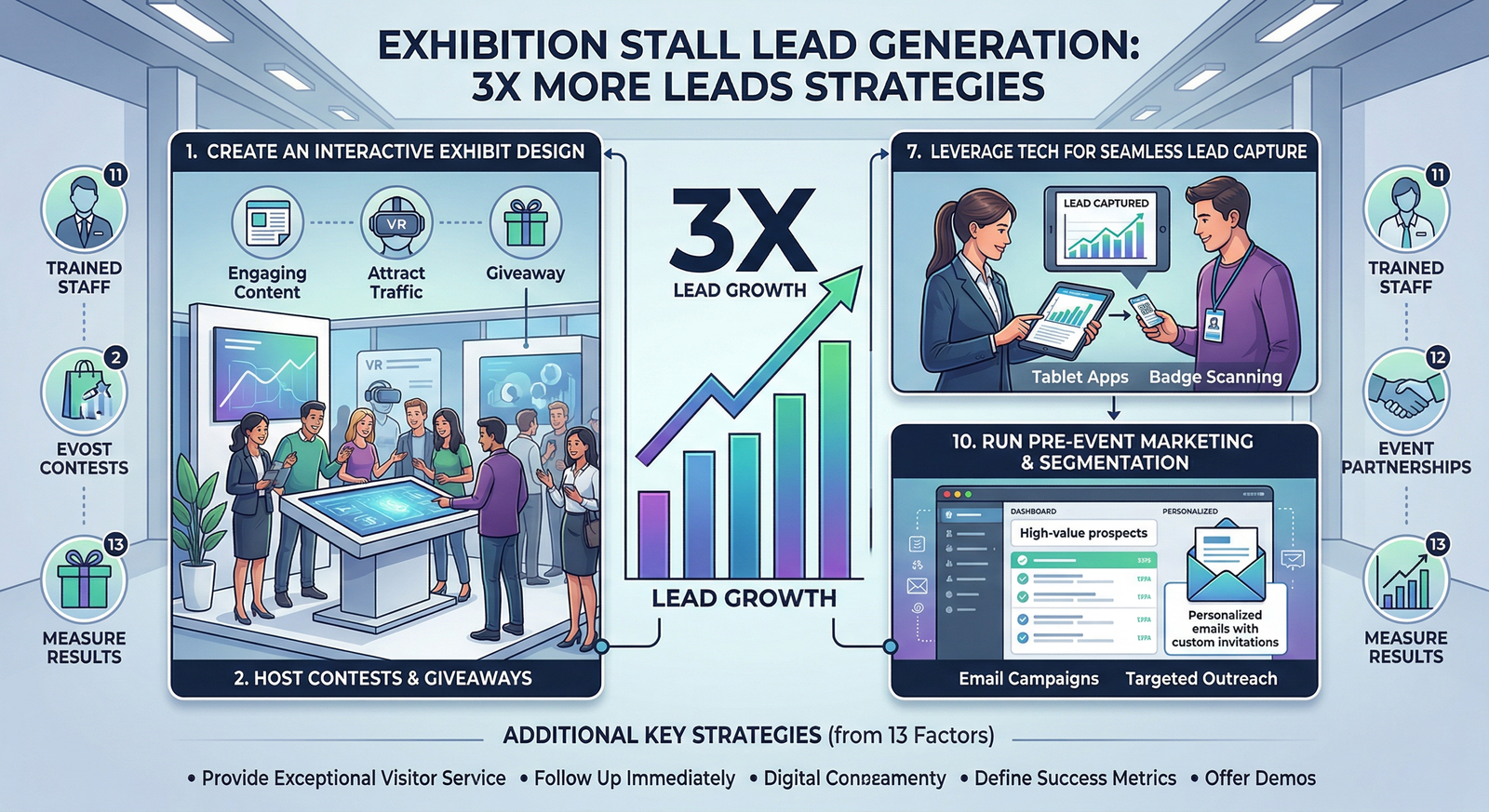
Personalized Invitations: AI analyzes past attendee behavior to personalize invitation messaging. A returning attendee gets a different email than a first-timer. Open rates improve by 40-60% with AI-personalized event marketing.
Content Generation: Event marketers are using AI to generate social media posts, email campaigns, and even blog articles about upcoming events. What took a content team a week now takes hours.
Predictive Registration: AI models can predict registration numbers weeks before an event based on marketing engagement patterns, helping organizers plan catering, seating, and logistics more accurately.
AI On the Event Floor
Smart Registration: Face recognition check-in systems reduce registration queues from 5 minutes to 5 seconds per attendee. Several Indian tech companies now offer these solutions at ₹50-100 per attendee.
Real-Time Translation: AI-powered translation earbuds and screens are enabling multilingual events without human interpreters. Critical for India's diverse linguistic landscape.
Attendee Matchmaking: For conferences and B2B events, AI analyzes attendee profiles and suggests meeting matches based on mutual business interests. This turns passive conference attendance into active networking.
Chatbots: Event chatbots on WhatsApp handle 70-80% of attendee queries — directions, schedule, Wi-Fi password, speaker bios — freeing up your team for higher-value tasks.
AI in Content & Engagement
Live Polling & Sentiment: AI analyzes real-time audience reactions during sessions — tracking engagement levels, popular topics, and drop-off points. Speakers get instant feedback on what's resonating.
Automated Highlights: AI can automatically identify key moments from event videos and generate highlight reels within hours of the event ending — a task that traditionally took a video editor 2-3 days.
Smart Summarization: AI generates session summaries and key takeaways that can be emailed to attendees immediately after each session.
AI Post-Event
Lead Scoring: For exhibitions, AI scores leads based on booth interaction time, products viewed, questions asked, and demographics — prioritizing hot leads for immediate follow-up.
ROI Analytics: AI-powered dashboards correlate event spending with outcomes — attendee satisfaction, lead quality, media impressions, social reach — giving event managers data-driven insights for future planning.
The Indian Context
India's event tech ecosystem is maturing rapidly. Companies like Hubilo (Ahmedabad), Airmeet (Bangalore), KonfHub (Bangalore), and Eventify (Mumbai) are building AI-native event platforms. International players like Hopin and Bizzabo are also eyeing the Indian market.
The cost of AI event tools has dropped significantly — what cost ₹5-10 lakh per event in 2023 now costs ₹50,000-1 lakh, making it accessible to mid-sized event companies.
What's Next?
By 2027, expect AI to handle event logistics optimization, real-time schedule adjustments based on attendee flow, and fully automated post-event reporting. The event companies that invest in AI literacy today will dominate tomorrow.