Exhibitions & Trade Shows

Expo Floor Learning in 2027: Turn Booth Traffic Into Useful Experiences

Quick Answer
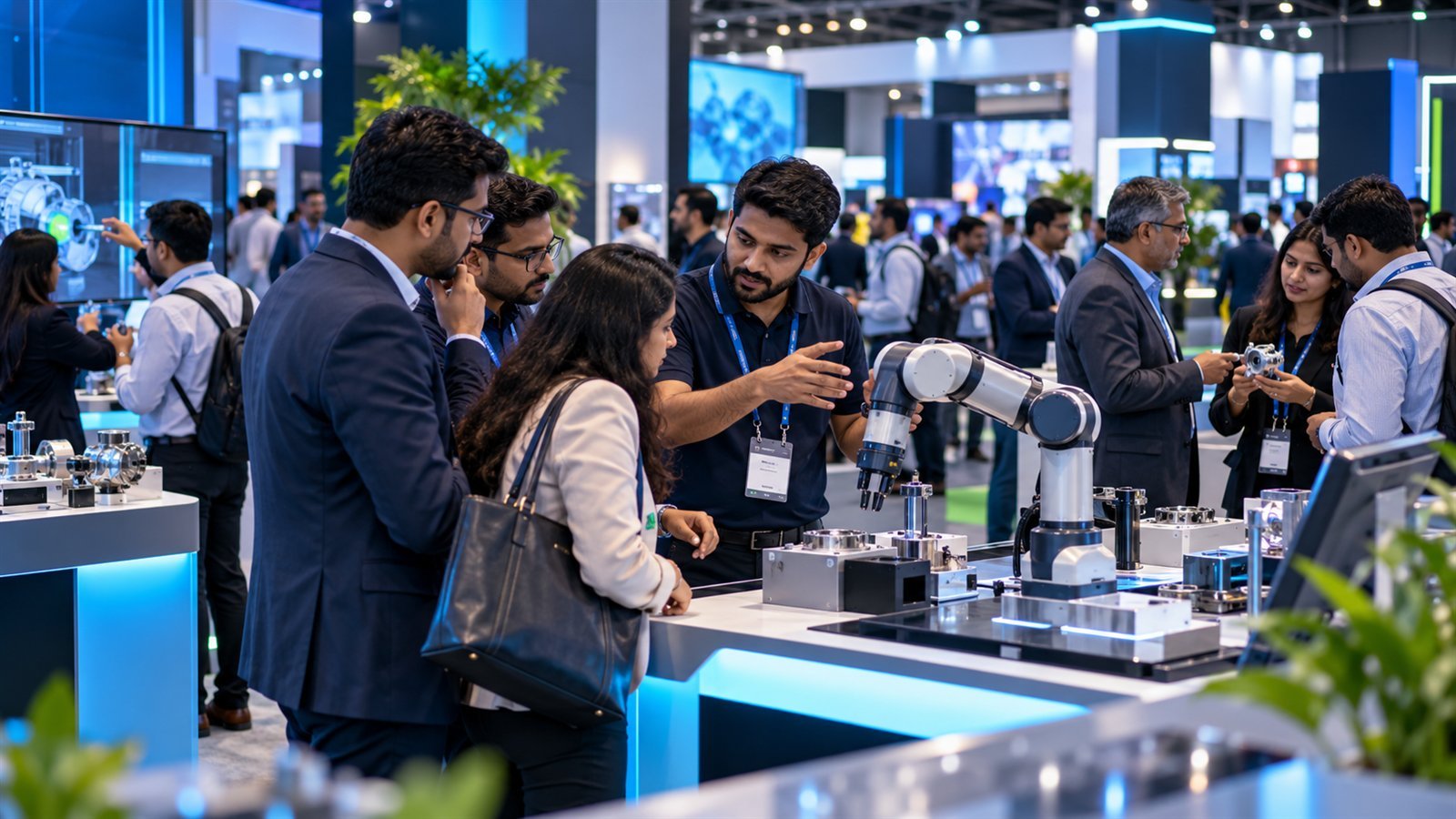
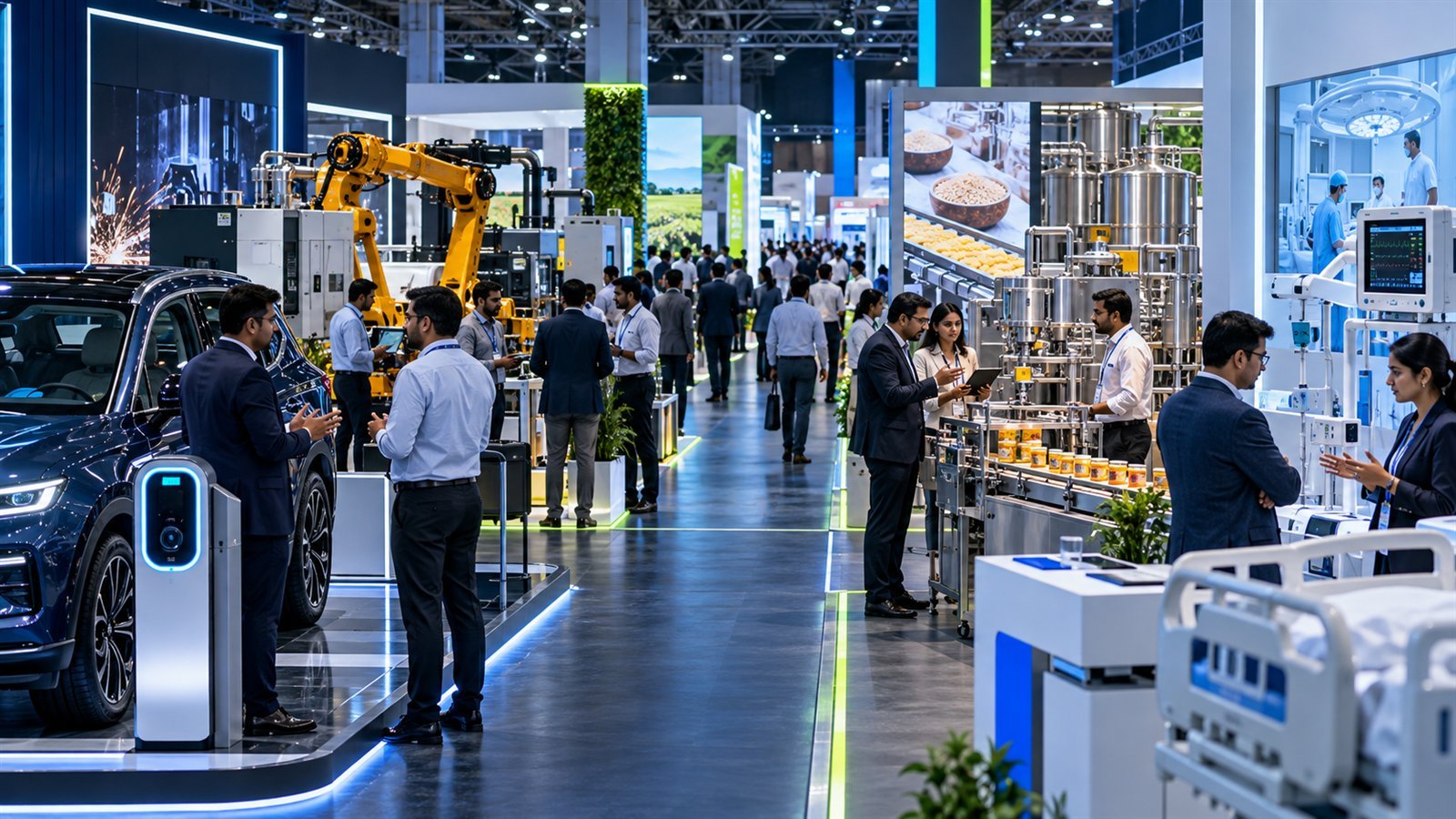
Expo-floor learning turns an exhibition stand or shared show floor into an active learning environment. The most effective formats are short demonstrations, expert clinics, peer conversations, guided product trials and small theatres. Each experience should solve one audience problem, capture buying intent and lead to a relevant next step.

Visitors do not need another wall of product claims. They need a reason to stop, participate and understand why an offer matters. Freeman's research on adult learning at events found attendees would ideally spend more than half their learning time outside keynotes or general sessions. That makes the exhibition floor a strategic learning channel.

Start with one useful outcome

Define what a visitor should understand or be able to do after five minutes. A lighting company might demonstrate how beam angle changes stage coverage. A registration platform might show how to reduce queue time. The lesson—not the product catalogue—creates the attraction.

Use a layered experience

Build three levels of engagement:

  1. See: a visible demonstration or simple comparison that works from the aisle.
  2. Try: a guided interaction that takes two to five minutes.
  3. Discuss: an expert clinic, scheduled demo or buyer meeting for qualified visitors.

This lets casual visitors learn without blocking serious conversations.

Design for repetition

Expo content must survive noise, interruptions and changing crowd sizes. Create a short script, a clear reset point and a schedule the team can deliver consistently. If the experience depends on one charismatic presenter, it is not operationally resilient.

Connect learning to lead qualification

Replace “scan everyone” with one useful qualifying question: What problem are you solving? When will the project happen? What environment will the product serve? Record the answer with consent and send follow-up content that matches it.

Measure the full journey

Report more than footfall. Track participation, questions, dwell time, trials, qualified meetings and post-show movement. Use the exhibition ROI framework to connect activity to pipeline.
Source

Frequently Asked Questions

What is expo-floor learning?
It is structured learning delivered through demonstrations, conversations, trials and short sessions on the exhibition floor rather than only in conference rooms.
Which format works best for a small booth?
A repeatable five-minute demonstration or expert clinic usually works better than a formal presentation because it needs little space and supports one-to-one follow-up.
How long should an expo micro-session be?
Ten to twenty minutes is a useful planning range. Keep one clear promise, one practical takeaway and time for a question or next action.
How do exhibitors measure learning engagement?
Track attendance, completion, questions, product trials, qualified scans, requested follow-ups and movement into demos or sales meetings.
Can expo learning generate sales leads?
Yes. A useful learning moment reveals visitor needs and creates a natural reason to continue the conversation, provided the follow-up is relevant and prompt.
MS

Manoj Sharma

Founder & Editor, EventSphereX | Overwrite

Event industry professional with hands-on experience across exhibitions, corporate events, brand activations, and MICE. Building tools and content to help event professionals worldwide grow their careers and businesses.

More about EventSphereX →