Why Industrial Expos Are India's Most Underrated Event Segment
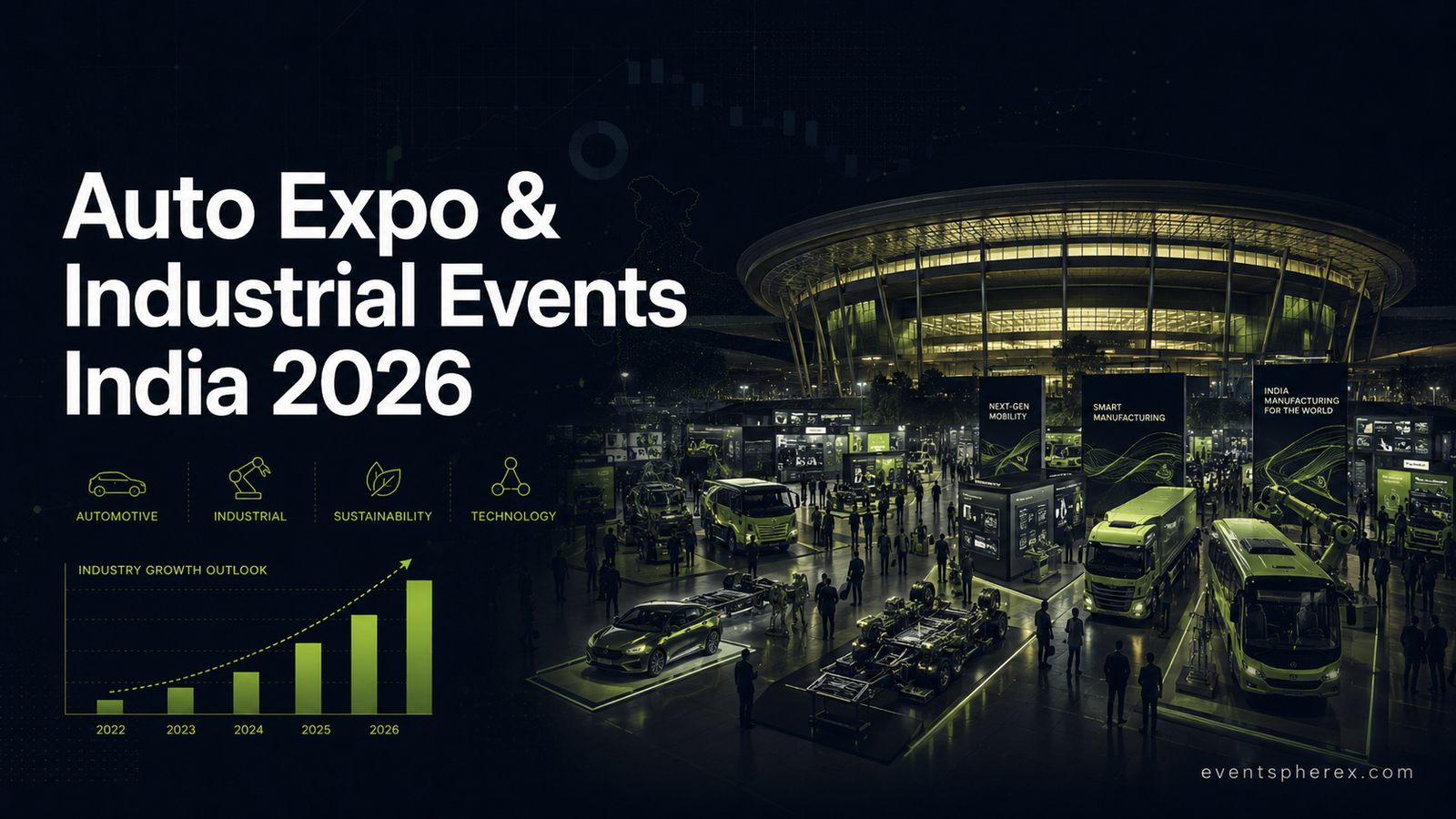
Most event industry coverage focuses on consumer-facing categories - music festivals, weddings, brand launches, awards. The actual largest events in India by floor area, capital deployed, and exhibitor count are industrial.
A typical Bharat Mobility Global Expo footprint runs across 200,000+ sqm of exhibition area, with several hundred exhibitors, and total capital deployment from exhibitors alone running into hundreds of crores. Auto Expo at its peak ran on a similar scale. IMTEX, the machine-tool show in Bengaluru, occupies BIEC end-to-end. Plast India and ELECRAMA each take 80,000-150,000 sqm.
These are not "small B2B shows." They are some of the most logistically complex events the country runs.
The 2026 Industrial & Trade Expo Calendar (Indicative)
Confirm exact dates with each show organiser for 2026 - calendar slots can shift year on year:
Auto / Mobility
- Bharat Mobility Global Expo - January (Bharat Mandapam, Yashobhoomi, India Expo Mart)
- Auto Expo (Components / Vehicles) - biennial, alternating years
Manufacturing & Capital Goods
- IMTEX - January (BIEC, Bengaluru) - machine tools
- EngiMACH - biennial, Gandhinagar - engineering and machinery
- MTX (Machine Tool Expo) - Mumbai
- TECHNOTEX - technical textiles
Electrical & Electronics
- ELECRAMA - biennial, Greater Noida - electrical equipment
- ELECTRONICA INDIA / PRODUCTRONICA INDIA - Bengaluru
- CONVERGENCE INDIA / IoT India - New Delhi
Plastics, Steel, Metals
- Plast India - triennial, Pragati Maidan / Bharat Mandapam
- India Steel Expo - biennial, Mumbai
- IFSEC India - security and fire protection
Construction & Infrastructure
- bC India / bauma CONEXPO India - biennial, construction equipment
- ACETECH - building, architecture, construction technology
- INDIA WOOD - biennial, Bengaluru - woodworking
Energy
- RENEWABLE ENERGY INDIA EXPO (REI) - Greater Noida
- WIND ENERGY - Chennai/Bengaluru
- OIL & GAS conferences - Mumbai, Delhi
Defence
- DEFEXPO - biennial - defence equipment
- AERO INDIA - biennial, Bengaluru - aerospace
Generic Trade
- India International Trade Fair (IITF) - November, Bharat Mandapam - generic mega-fair
The Major Venues Driving 2026 Industrial Expos
The infrastructure backbone for these events is concentrated:
- Bharat Mandapam, New Delhi - flagship for global-scale events
- Yashobhoomi, Dwarka, New Delhi - purpose-built convention complex
- India Expo Mart, Greater Noida - large industrial expo capability
- Pragati Maidan, New Delhi - IITF home
- BIEC, Bengaluru - IMTEX, INDIA WOOD, AERO INDIA hub
- Bombay Exhibition Centre (BEC), Goregaon - multiple Mumbai-based shows
- HITEX, Hyderabad - growing industrial expo capacity
- Helipad Exhibition Centre, Gandhinagar / Mahatma Mandir - Vibrant Gujarat, EngiMACH
For event agencies, knowing the operational realities of each venue - load-in routes, freight handling, electrical capacity, telecom reliability, customs clearance for international exhibitors - is half the job.
How Industrial Expo Economics Differ from Consumer Events
This is the most important section for any agency considering this segment.
1. Exhibitor-Led Revenue Model
The show organiser's main revenue is exhibitor booth bookings, not ticket sales. Visitor entry is often free or low-cost. This means:
- Sales cycles are 12-18 months long - exhibitor commitments are made early
- Repeat exhibitor retention is the single biggest organiser metric
- Booth size and location pricing is the core P&L lever
2. Booth Build Is the Largest Vendor Spend
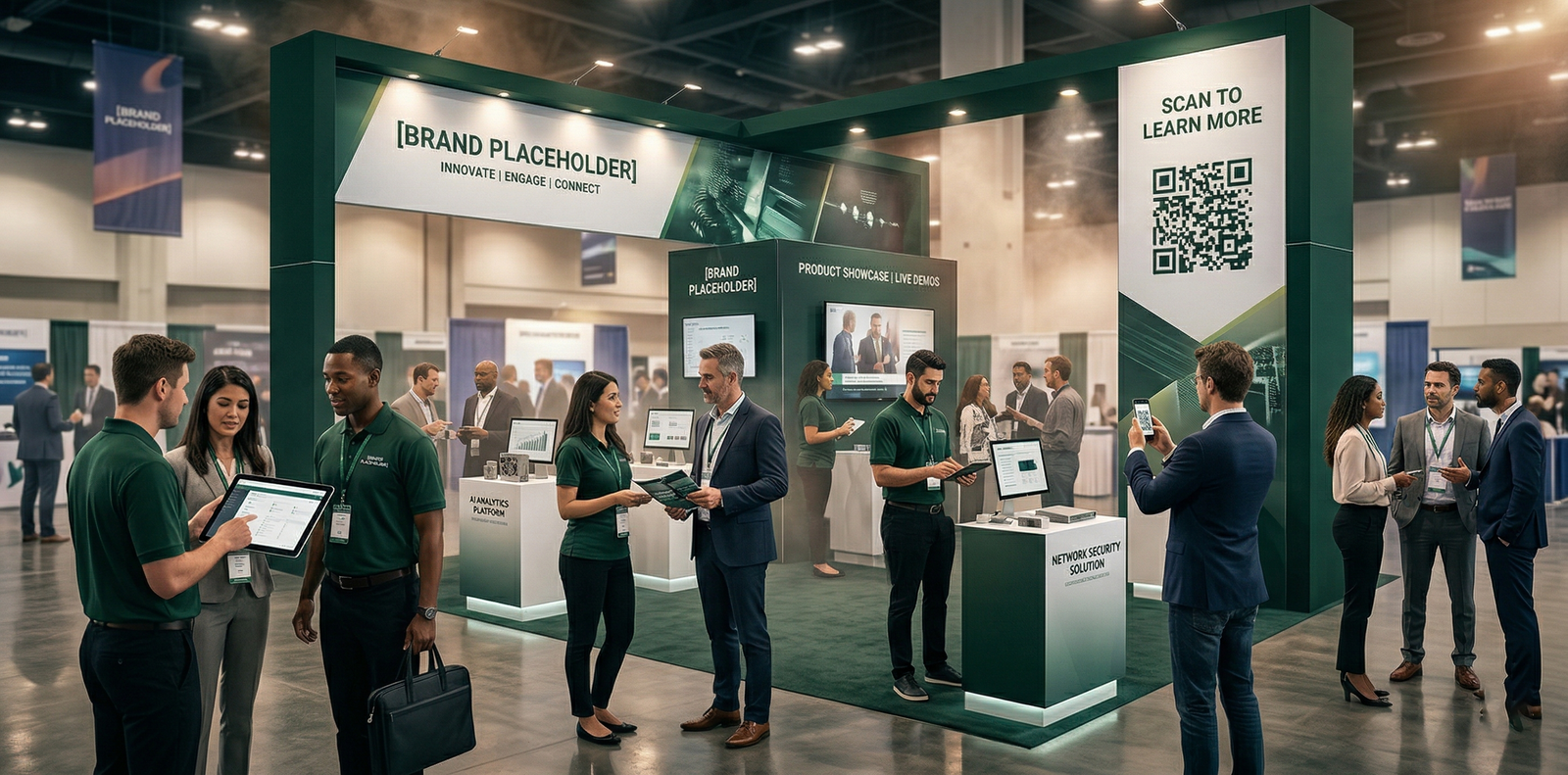
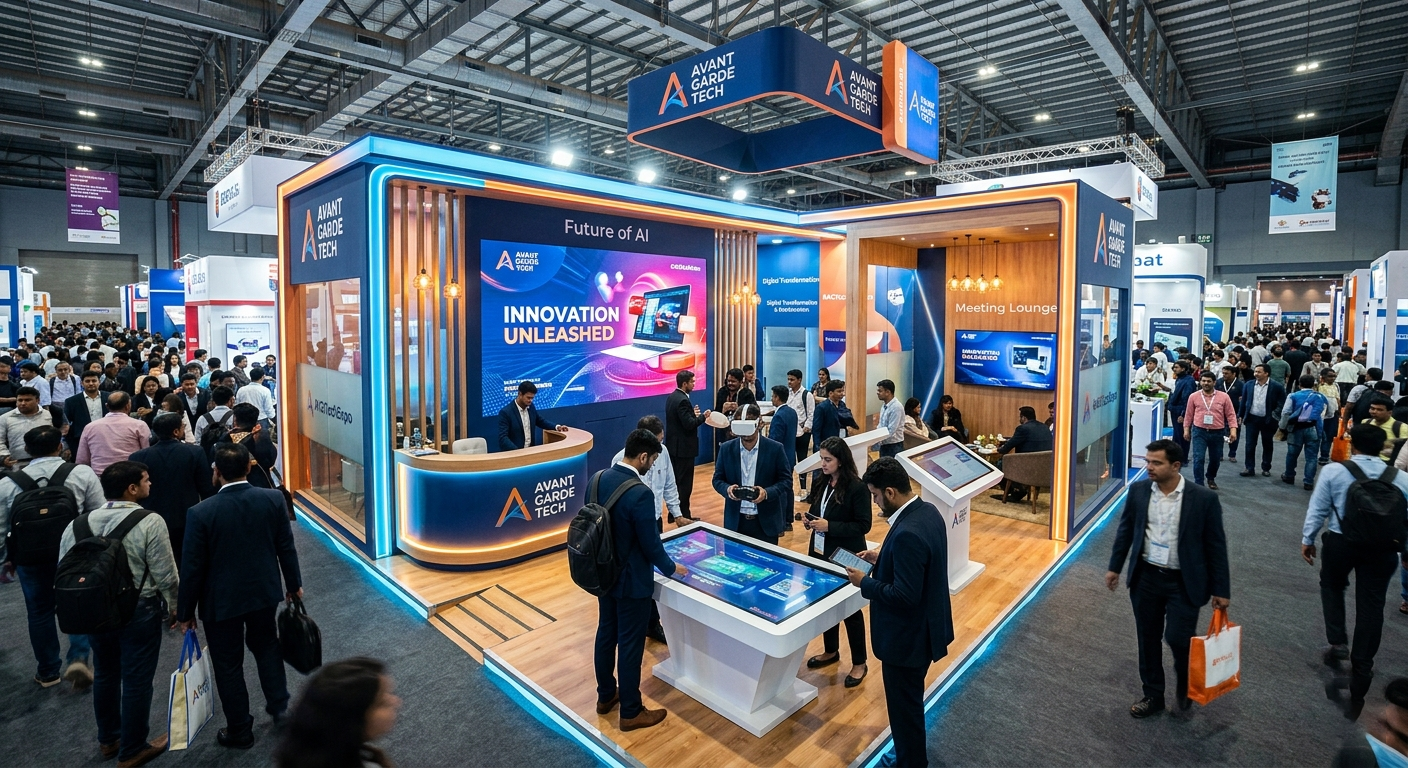
For most exhibitors, the booth itself is the single largest event cost. A 100 sqm custom-built two-storey booth at a major industrial expo can run Rs 1.5-4Cr in build, kit, hospitality and on-site service. Multiply by 200+ exhibitors at a major show and the booth build market alone is Rs 500Cr+.
3. Long Planning Horizons
A consumer brand launch can be planned in 6-8 weeks. An industrial expo booth planning cycle starts 6-9 months before the show:
- 6+ months: design brief, shortlist booth-build vendors
- 4-5 months: design lock, technical drawings
- 2-3 months: fabrication begins
- 1 month: pre-build / mock-up at the build vendor's warehouse
- Show week: load-in, build, on-site finish, occupy
Agencies that fit consumer-event timelines onto industrial expos burn out their teams and clients.
4. Customs, Freight, and Carnet
Many exhibitors bring international machinery, displays, and equipment under ATA Carnet provisions. Agencies servicing major exhibitors need to know:
- ATA Carnet processing
- CBEC / customs clearance procedures
- Bonded warehousing during the show
- Re-export of exhibits at show close
This is specialist knowledge. Skip it and your client misses a deadline.
5. Hospitality and KOL Programs
Major exhibitors run parallel customer-engagement programs:
- VIP customer days with senior executives flying in
- Distributor and channel-partner conferences alongside the show
- Press and media programs
- Plant-tour visits before/after the show
Agencies that can deliver the booth + hospitality + offsite stack have higher value capture than booth-only vendors.
What Indian Event Agencies Need to Bring to This Segment
To compete credibly for industrial expo work in 2026:
- Booth design & fabrication capability - either in-house or with 1-2 specialist booth vendors as long-term partners
- AV integration capability - most major industrial booths have product video walls, demonstration zones, and immersive tech
- Hospitality and travel services - VIP customer programs need flights, hotels, transport, F&B at executive standard
- Customs / freight knowledge - at least one team member who has done this before
- Multi-day delivery muscle - most industrial expos run 4-6 days; staffing has to last
- Bilingual on-site service - international visitors at major shows expect English plus often Mandarin, German, Japanese on certain booths
- Lead capture systems - exhibitors measure ROI by qualified leads, and the agency that delivers a clean lead-capture stack wins repeat work
Where the Margin Actually Is
Booth fabrication is high-revenue, low-margin (8-15% net) work. The higher-margin layers for an event agency are:
- Booth design IP (15-25% net) - strong design houses can charge premium fees
- AV and tech integration (12-22%) - lower competition, specialist work
- Hospitality and offsite programs (15-25%) - high-touch customer programs
- Lead-capture and analytics (25-40%) - fast-growing, low-CapEx category
- Pre/post-show campaigns - content, video, social - increasingly bundled
The agencies winning at industrial expos in 2026 are stacking these high-margin services on top of (or instead of) raw booth-build.
What's Changing in 2026-28
Three trends matter:
- Bharat Mandapam and Yashobhoomi are now anchoring more Delhi-based mega-events than ever before. The shift from Pragati Maidan-only to a multi-venue Delhi capacity matters for planning.
- Tier-2 expo growth - Coimbatore, Indore, Pune are gaining sector-specific expos (textiles, food processing, auto components) with regional industrial clusters.
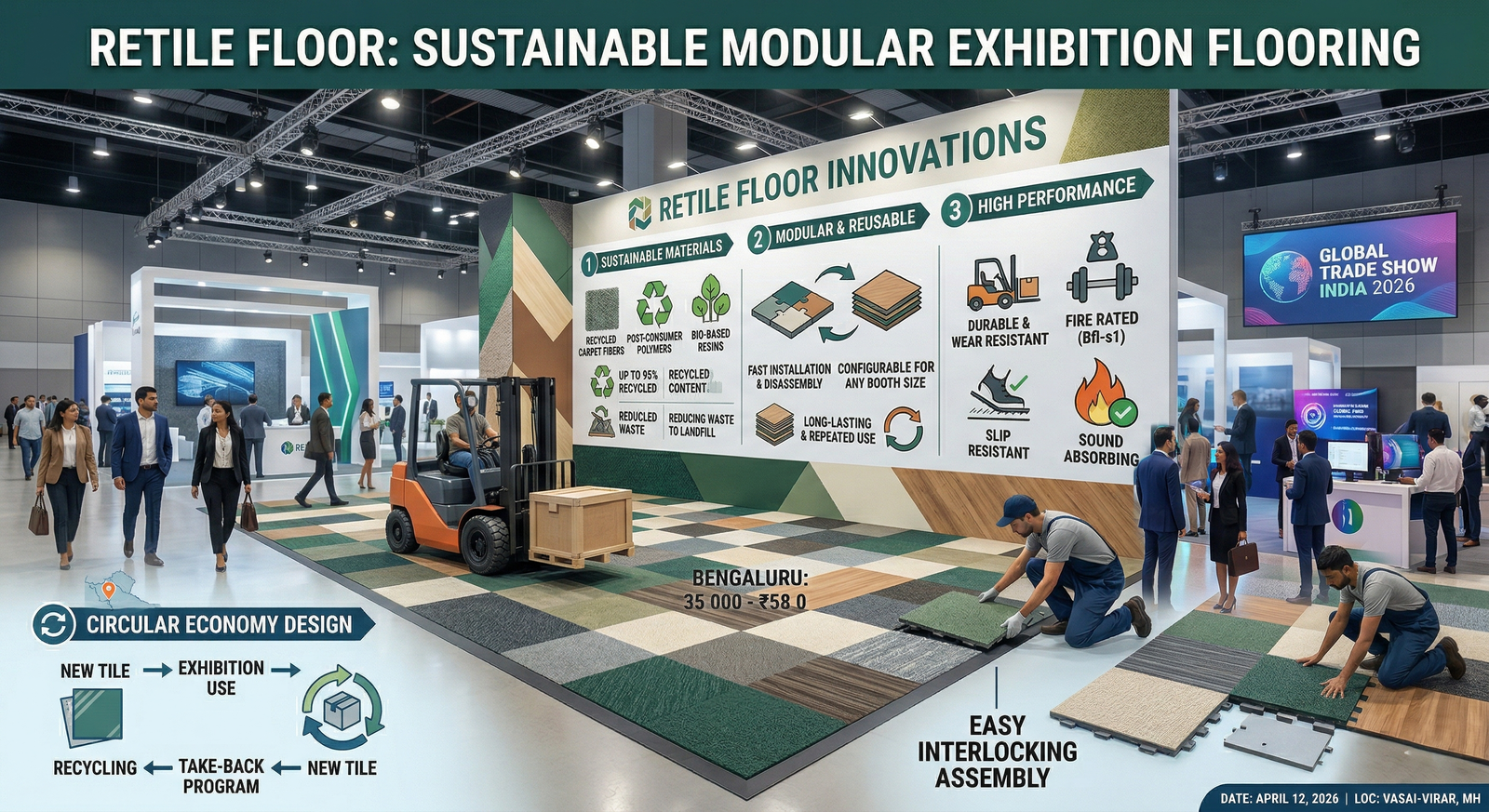
- Sustainability requirements - exhibitor RFPs increasingly require recyclable booth materials, low-VOC paints, modular reusable structures. The booth-build vendors who can deliver this win the next contract.
Closing Note
Industrial expos are India's quiet event giant - high revenue per event, repeat exhibitors, predictable calendar, and demanding but rewarding production. They reward agencies that take a long-term view, invest in specialist capability, and treat exhibitors as multi-year partners rather than one-off projects.
For an agency looking to diversify away from the volatility of weddings and one-off corporate events, an industrial expo client base is one of the most stable foundations available in the Indian event industry.
Plan booth layouts, exhibition floors, and visitor zones with our free Stage Layout Planner. Find vendors and partners through our Industry Directory.