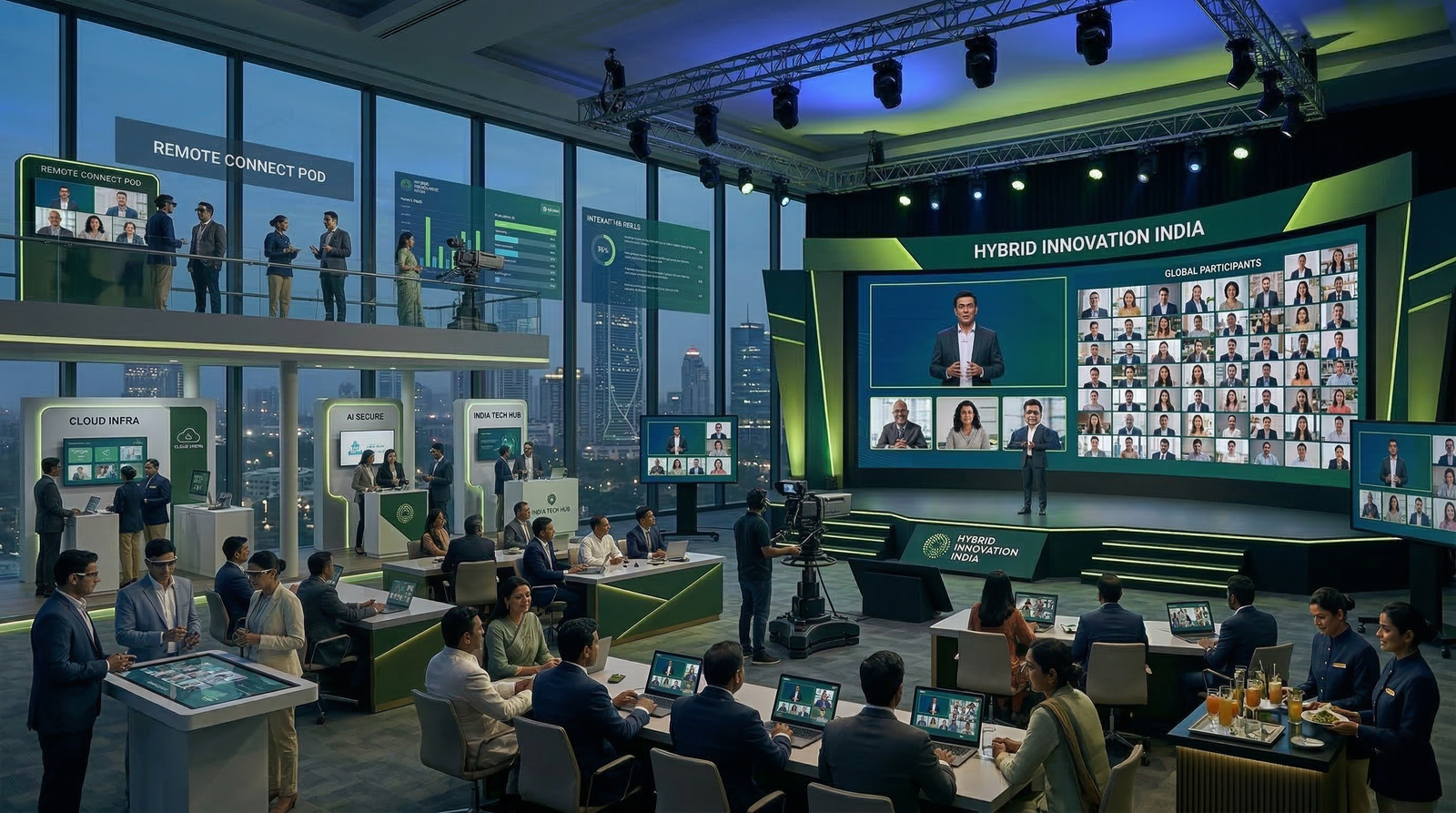
In 2023, India witnessed several event-related accidents that could have been prevented with proper safety planning. Event safety isn't a cost — it's a legal requirement and moral obligation. Here's what every event organizer must know.
Legal Requirements
Permissions and Licenses (Vary by State)
- Police Permission: Mandatory for events with 200+ attendees in most states
- Fire NOC: Required for all indoor events and outdoor events with temporary structures
- Municipal Corporation License: Required for using public spaces or exceeding noise limits
- License for Sound: Under Noise Pollution Rules, 2000 — time and decibel restrictions apply
- Liquor License: State excise department permission if alcohol is served
- FSSAI License: For food service at events
- Structural Stability Certificate: For temporary stages, trusses, and pandals
Insurance
- Public Liability Insurance: Covers injuries to attendees (strongly recommended, often required)
- Event Cancellation Insurance: Covers losses if event is cancelled due to unforeseen circumstances
- Equipment Insurance: Covers damage to rented AV and staging equipment
Crowd Management
Capacity Planning
- Indoor events: 0.5-1 sqm per person (standing), 1-1.5 sqm (seated)
- Outdoor events: 1-2 sqm per person (general admission), 2-3 sqm (seated)
- Never exceed 80% of maximum capacity — always maintain buffer
- Entry flow rate: Plan for 500-800 people per entry point per hour
Entry and Exit Management
- Minimum 2 separate entry and exit points
- Exit doors must open outward
- Exit paths must be clearly marked with illuminated signs
- No obstructions in exit routes at any time
- Separate VIP entry to reduce main queue pressure
- Metal detectors and bag checks at entry (for large events)
Crowd Flow Design
- One-way traffic flow wherever possible
- Avoid bottlenecks at food counters, restrooms, and merchandise areas
- Barriers and rope lines to guide crowd movement
- Wide aisles between seating sections (minimum 1.5 meters)
- Separate zones for different activities to distribute crowd
Fire Safety
Mandatory Measures
- Fire extinguishers every 15 meters (ABC type)
- Fire exit signs — illuminated and battery-backed
- No combustible decorations near electrical equipment
- Fire-retardant materials for stage curtains and backdrops
- No blocked fire exits at any time
- Fire safety officer on-site for events with 500+ attendees
Electrical Safety
- All temporary wiring by licensed electrician
- MCBs and ELCBs installed for all circuits
- No overloaded sockets or daisy-chained extension cords
- Generator placement: minimum 5 meters from public areas
- Fuel storage away from event area
Medical Preparedness
Minimum Requirements by Event Size
Attendees
Medical Staff
Ambulance
First Aid Kits
Up to 500
1 first aider
On-call
2
500-2,000
2 first aiders + 1 paramedic
On-site
4
2,000-5,000
4 first aiders + 2 paramedics
1 on-site
6
5,000+
Medical team with doctor
2 on-site
10+
First Aid Station Essentials
- Clearly marked and easily accessible location
- Basic medications (ORS, paracetamol, antacids, band-aids)
- Ice packs for heat-related emergencies
- Stretcher and wheelchair
- AED (Automated External Defibrillator) for 5,000+ events
- Nearest hospital mapped with fastest route
Weather Preparedness (Outdoor Events)
- Heat: Shade structures, water stations every 50 meters, misting fans
- Rain: Waterproof canopies, drainage planning, non-slip flooring
- Wind: Secure all banners, check truss stability, weight-based anchoring
- Lightning: Weather monitoring, evacuation protocol, no outdoor activities during storms
Emergency Response Plan
Every event must have a documented emergency plan covering:
1. Emergency command structure — Who is in charge? 2. Communication protocol — How is the team alerted? 3. Evacuation routes — Mapped, signed, and rehearsed 4. Assembly points — Where do people gather after evacuation? 5. Emergency contacts — Police, fire, ambulance, nearest hospital 6. Public address system — Tested and accessible for emergency announcements
Conduct a safety briefing with all staff before the event. No exceptions.
Security Checklist
- Perimeter fencing/barricading for the event area
- Security personnel at all entry/exit points
- CCTV monitoring for large events
- Bag check and metal detection at entry
- Backstage access restricted to authorized personnel
- Cash handling security (for events with on-site sales)
- Lost and found counter
- Women's safety helpdesk (for large public events)
Food Safety
- FSSAI-compliant caterer with valid license
- Food handlers must have health certificates
- Temperature-controlled storage for perishables
- Vegetarian and non-vegetarian food prepared separately
- Allergen information displayed (especially for buffets)
- Clean drinking water supply tested and verified
The Cost of Not Planning Safety
- Legal penalties: ₹50K-5L in fines, criminal liability for negligence
- Reputation damage: One incident can destroy years of brand building
- Insurance claims: Without proper safety documentation, claims may be rejected
- Event shutdown: Authorities can shut down non-compliant events mid-way
Safety isn't optional. It's the foundation everything else is built on. Plan for the worst, execute for the best.