Why Audio Pricing Is the Most Misunderstood Line in Indian Events
Audio is the line item every client wants to "save on" until something goes wrong, at which point it becomes the only thing they remember. From a vendor's side, audio is one of the highest-CapEx categories in events - a serious line array system runs Rs 40L-2.5Cr in equipment alone - and one of the most skill-dependent.
This combination creates pricing chaos:
- Cheap vendors quote on equipment-only assumptions, ignoring that sound quality is 60% engineer
- Expensive vendors over-engineer rigs the venue doesn't need
- Clients see the "speaker count" and not the engineer, so they reward whoever quotes the longest equipment list
- Junior engineers undercut themselves to build credits
The vendors and engineers who win in 2026 are the ones who price transparently - by role, by gig type, by city - and educate clients on what they're paying for.
Freelance Engineer Rate Cards (Per Show Day, India 2026)
These are typical bands. Real rates depend on profile, brand association, and city.
FOH (Front of House) Engineer
| Tier | Per-Day Rate | Profile |
|---|---|---|
| Junior | Rs 4K - Rs 8K | College gigs, small corporate panels, small weddings |
| Mid | Rs 8K - Rs 18K | Standard corporate events, mid-tier weddings, small festivals |
| Senior / Specialist | Rs 20K - Rs 50K | Large keynotes, awards, festival sub-stages, recording-grade work |
| Top-tier / Touring | Rs 60K - Rs 2L+ | Touring with major artists, festival main stages, broadcast events |
Monitor Engineer
Typically 70-85% of the FOH rate at the same tier - though for major-artist tours with complex IEM mixes, monitor engineers can earn parity with or above FOH.
System Tech / PA Tech
| Tier | Per-Day Rate |
|---|---|
| Junior | Rs 2K - Rs 4K |
| Mid | Rs 4K - Rs 8K |
| Senior | Rs 10K - Rs 18K |
Backline Tech / Stage Tech
Rs 2K - Rs 8K per day depending on instrument complexity and load-in scope.
Patch / Rigging / Crew
Rs 1.2K - Rs 3K per day for general crew; Rs 4K-Rs 8K for specialised rigger crew with certifications.
Line Array Rental - Per-Day Rates by Format
These are India 2026 indicative rates. Brand premium (L-Acoustics K-series, d&b J/V series, Meyer LEO, Adamson E-series) commands 30-80% above the lower bands.
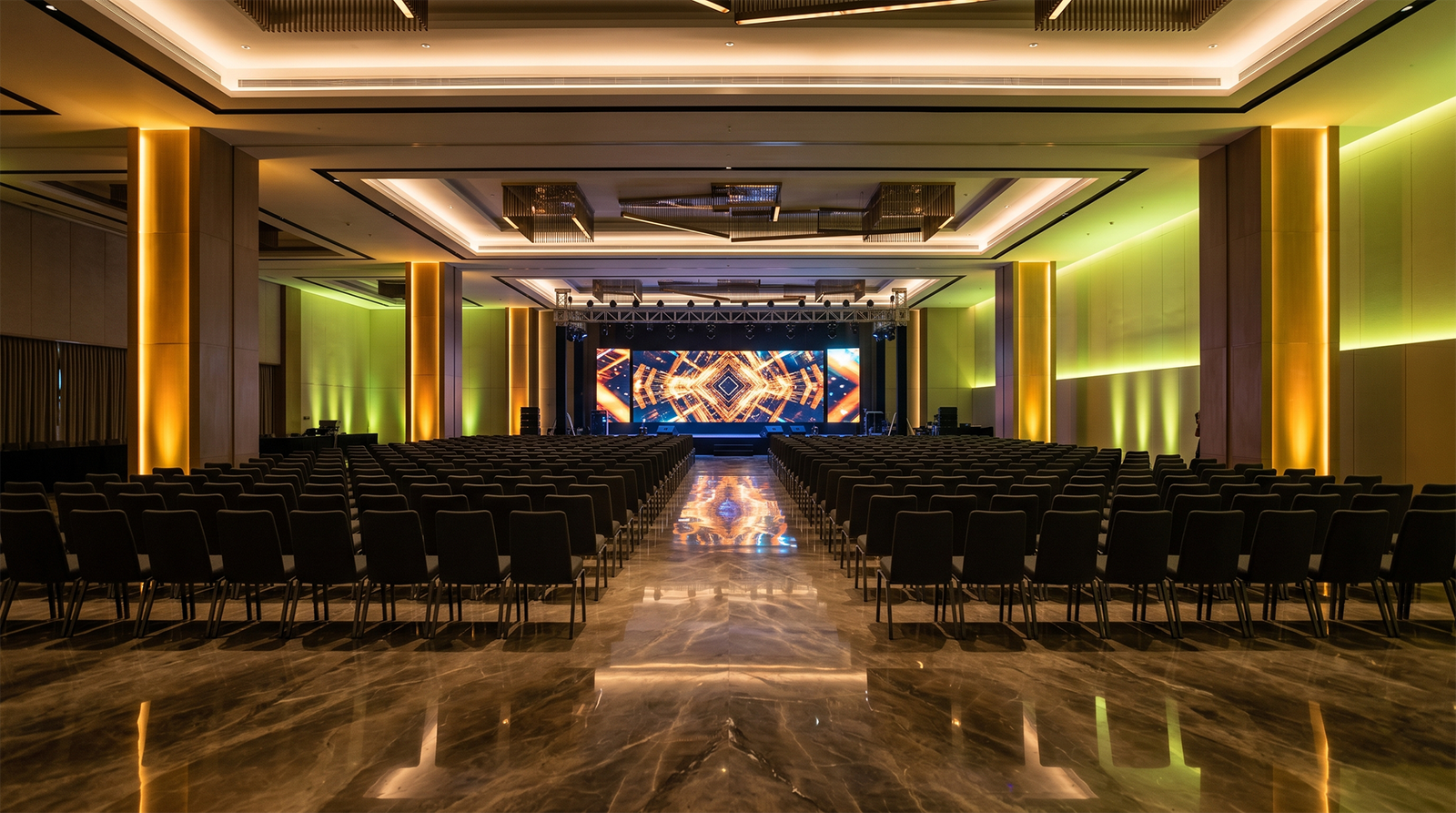
Corporate Ballroom / Mid-Size Conference
- Single hang per side, 6-8 boxes per side, 4 subs, 4 front-fills, FOH console, 4 mons
- Rs 40K - Rs 1.5L per day depending on brand and crew
Large Conference / Awards (1,500-3,000 pax)
- 10-14 box hang per side, 8-12 subs, 6-8 front-fills, side-fills, full backline mons
- Rs 1.5L - Rs 5L per day
Festival Sub-Stage / Mid-Size Outdoor
- 12-16 box flown per side, 10-16 subs, side-fills, in-ear systems, multi-track recording
- Rs 3L - Rs 10L per day
Festival Main Stage / Large Touring
- 24+ box flown per side, sub arrays, delays, full IEM rig, broadcast feeds
- Rs 8L - Rs 25L per day for 1-day events; multi-day rates negotiate down
Wedding (Sangeet/Reception)
- Mid-size point-source or small line-array (6 boxes per side), DJ console + handhelds
- Rs 35K - Rs 2L per day depending on guest count and brand
These are kit-only rates plus crew. Most agencies are billed "all-in" by their audio vendor - kit + crew + transport + setup/dismantle.
Gig Economics: What Engineers Actually Take Home
Here is the honest math for a mid-tier freelance FOH engineer in India in 2026:
- Gigs per year - 90-150 paid days for a fully-booked freelancer
- Gross income - Rs 10-25 lakh
- Travel & per diem add-ons - typically billed separately when out-of-city
- Recovery days - non-billable but necessary; count 1 day off per gig day
Senior touring engineers can clear Rs 50L+ a year. Top-tier broadcast and recording-grade engineers, with a portfolio of major artist tours, can clear Rs 1Cr+. These are real numbers, not aspirational.
But the bottom of the freelance market - junior engineers who haven't yet built specialisation - earn Rs 3-7 lakh a year, work irregularly, and burn out. This is where the industry loses talent.
How to Price Yourself as a Freelance Engineer
If you're trying to set or raise your own rates:
- Know your tier honestly. Look at the bands above. Ask 3-5 peers at your level what they charge.
- Quote per-day, not per-event. A 3-day setup + 1 show day + 1 dismantle day = 5 days, not "one event."
- Always charge travel days. Out-of-city gigs are a 50% travel-day rate plus actual costs reimbursed.
- Have a written rate card. Even if you negotiate around it, having a written sheet protects you in negotiations.
- Raise rates annually. 8-15% per year is the floor in a healthy career. If you're not raising rates, you're losing real income to inflation.
How to Price Yourself as an Audio Vendor
If you run a vendor company (kit + crew + service):
- Cost up your kit honestly. Calculate a daily depreciation rate based on amortising your CapEx over 5-7 years and 100-150 working days a year.
- Build crew cost as a real line. Don't bury crew in a single quote. Itemise FOH, monitor, system, backline, runners.
- Build maintenance and breakage into your rates - typically 5-8% of gross.
- Charge for transport and per diems. Out-of-city work eats your margin if you don't.
- Have at least three packages - small ballroom, mid-conference, festival - with clear specs.
- Don't compete on the cheapest quote. Compete on the cleanest spec sheet. Buyers who choose price first are buyers who'll fight you on the change-order later.
The Five Biggest Pricing Mistakes Indian Audio Vendors Make
- Sub-renting at thin margins. If you're sub-renting from another vendor and adding 10-15%, you're not running a business - you're running a logistics broker. Either own the kit or specialise in service.
- No idle-day cost. Your kit costs money on the day it sits in the warehouse too. Price for utilisation.
- Treating crew as variable cost. Your senior FOH and monitor engineers are your brand. Pay them on retainer or you'll lose them to the next vendor.
- Single-line "all in" quotes. Buyers can't compare them, and you can't defend them when challenged.
- No standard rate card. Every quote starts from scratch. You exhaust yourself.
Building a Long-Term Audio Career or Business
The Indian live-audio scene in 2026 is bigger and more demanding than ever. Festival circuits, large corporate, broadcast events, theatrical productions, and the fast-rising live-OTT space all need quality audio. The people and businesses winning at the top:
- Have a genre/format speciality (broadcast, touring, festival, theatrical, corporate keynote)
- Own enough kit to control quality but not so much they're cash-trapped
- Have a stable senior crew of 4-8 people who book together
- Maintain relationships with 1-2 international rental partners for jobs that need bigger rigs
- Maintain certifications and training (Yamaha, Avid, DiGiCo, L-Acoustics, d&b, etc.)
Engineers and vendors stuck in the bottom half of the market typically share the inverse: no specialty, sub-renting most of their kit, rotating crew, no certifications, no rate card.
Pick a direction. Specialise. Price honestly. The audience can hear the difference.
Closing Note
Audio is the most ear-judged, least visible part of any event - and one of the highest-leverage differentiators between a forgettable show and a memorable one. The engineers and vendors who price their work transparently, deliver consistently, and build a real specialisation are quietly building decade-long careers and businesses in 2026.
If you are an event agency hiring audio: hire the engineer first, then the kit. Pay the engineer fairly. Re-book them. The single most underrated cost-saver in event production is a long-term relationship with one or two great audio engineers who know your shows.
List your audio vendor business or freelance services in the EventSphereX Industry Directory - searchable by Indian event planners and corporates booking AV.