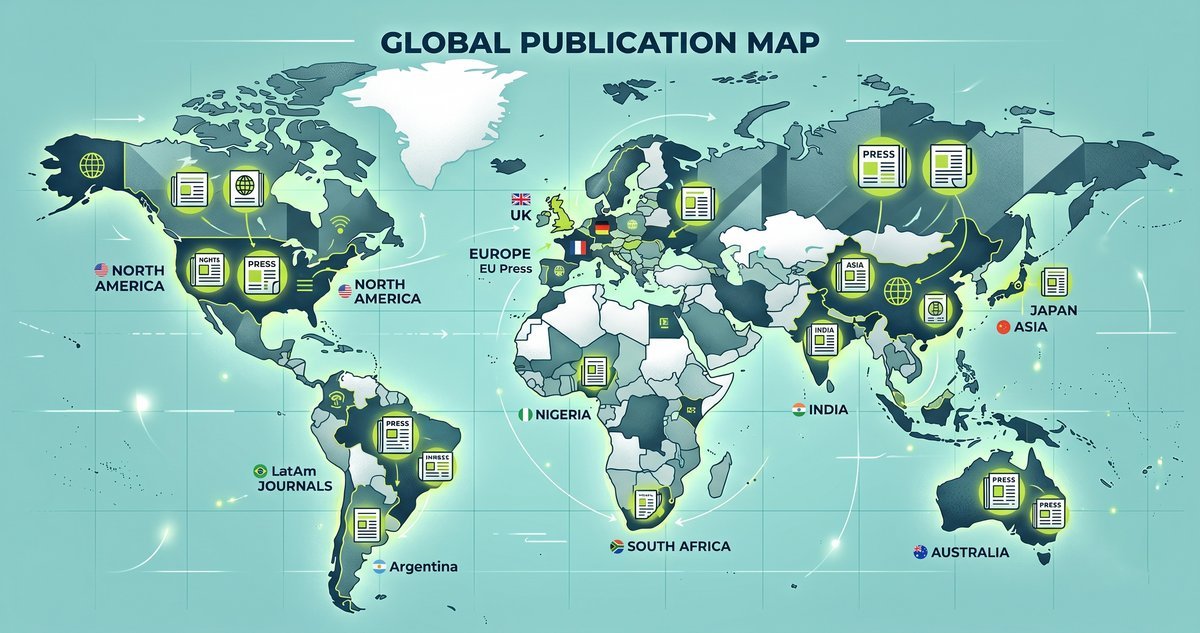
Event professionals used to read one glossy magazine a month and call it industry awareness. In 2026 that stopped working. The good news sits in daily digests, trade show data feeds, association releases, and a handful of regional portals. The signal gets through, but only if you are reading the right stack.
This guide is the working map. It covers what each portal does best, who reads it, where the gaps are, and how to combine sources by role so you are not drowning in content or missing the updates that matter.
What makes a good event industry news portal in 2026
Before ranking sites, it helps to know what separates a useful publication from a content farm. Six tests apply:
- Editorial cadence: Daily, weekly, monthly. Daily sites catch trends first. Monthly publications do deeper analysis. Both matter, for different reasons.
- Coverage breadth: B2B trade shows, corporate events, consumer experiential, weddings. No site covers all four well. The best ones pick a lane and dominate it.
- Independent editorial: Does the publication take vendor money to shape coverage? Independent editorial is the exception now, not the rule. It is worth paying attention to who funds the site.
- Data depth: Reported numbers, attendance figures, sponsorship benchmarks, and case studies separate working publications from repackaged press releases.
- Delivery method: Newsletter, WhatsApp, Telegram, RSS, homepage. In 2026 most professionals read via push channels, not by visiting sites directly.
- Audience: Planners, suppliers, marketers, executives. Coverage that helps an agency producer is different from coverage a venue sales leader needs.
The strongest portals score high on at least four of the six. The mistake most readers make is overweighting the first two and ignoring the last four.
Global tier 1: editorial magazines with authority
These are the publications with depth, history, and the reporting infrastructure to shape industry conversations.
BizBash
US-focused, strongest on experiential marketing, event design, and corporate activation inspiration. BizBash publishes daily, runs the BizBash 500 list of top event professionals, and hosts the Creative Awards. Its readership skews toward US brand marketers and experiential agencies. Outside North American corporate events, its coverage thins out.
Best for: event designers, experiential marketers, brand-side event leads.
Event Marketer
Also US-focused, with a brand-side lens. Event Marketer is stronger on ROI measurement, sponsorship activation case studies, and brand experience reporting than it is on trade shows. Think of it as the publication that explains why a brand spent a certain amount on an activation, and what it measured afterwards.
Best for: corporate brand marketers, activation agencies, sponsorship leads.
Exhibition World
UK-based, global in scope, with deep reporting on trade shows, venue expansions, and organiser moves. Exhibition World publishes monthly in print with daily web updates and covers the Middle East, Asia, and Europe alongside North American shows.
Best for: trade show organisers, venue teams, international exhibition planners.
Expo Magazine
IAEE-linked. Covers policy, compliance, and exhibition industry certification topics. Less useful for trend spotting, essential for anyone navigating industry regulation or organising certified events.
Best for: association-run events, compliance officers, event educators.
Global tier 2: trade show news hubs
These publications focus on the operational side of trade shows and exhibitions. Less glossy than tier 1, often more actionable.
TSNN (Trade Show News Network)
Daily news plus one of the most complete show calendars online. TSNN reports organiser news, attendance data, venue expansions, and industry moves. Free to read with a newsletter signup. If you are in trade shows and only read one site, this is the default.
Best for: exhibition organisers, venue sales, agencies planning booth strategy.
Trade Show Executive
Paid subscription, focused on industry finance. Trade Show Executive reports the numbers behind the shows: revenue, attendee growth, square-footage leasing, venue deals. Essential for executives and anyone pitching to the trade show world.
Best for: senior trade show leadership, venue finance teams, industry analysts.
EventsEye
European exhibition tracking database rather than a news site, but it feeds the analytical workflow many exhibition planners use. Less editorial, more directory.
Best for: European exhibition planners, international trade show scouts.
Regional and specialised portals
Global tier 1 misses regional nuance. These portals fill the gap.
EventSphereX
Daily news with planning tools, tender listings, a job board, and free calculators in one place. EventSphereX is global in framing with strong Indian MICE coverage, which reflects the gap in the market for a working professional's daily digest rather than a glossy magazine. Free to subscribe via email, WhatsApp, and Telegram.
Best for: event professionals in India and globally who want intelligence plus tools in the same place. Agency producers, freelance event managers, vendors, and in-house corporate event teams all get use out of it.
If you want to see what the daily working stack looks like, EventSphereX industry news publishes alongside practical planning guides like how to plan a corporate event and how to write an event proposal.
Exhibition Showcase
Indian trade magazine publishing quarterly depth pieces on the domestic MICE market. Slower cadence, but strong when it covers a topic.
Best for: Indian exhibition planners, venue and supplier leaders wanting quarterly depth.
Exhibition Globe
Asia-focused, covers exhibition trends across Southeast Asia, China, India, and the Gulf. Useful when Global tier 1 publications underweight Asian shows.
Best for: international exhibition organisers, Asian market scouts.
Skift Meetings
Part of the Skift media family, focused on corporate and destination meetings. Daily news, strong reporting on hotel group meeting strategy, corporate travel intersections, and destination marketing.
Best for: corporate meeting planners, destination marketers, hotel sales teams.
MeetingNet
PCMA-linked, covers corporate meetings and incentive travel. Less flashy than Skift Meetings, more operational.
Best for: PCMA members, incentive travel planners.
Industry associations worth following for news drops
Associations publish less frequently but often first. If a policy changes or an industry report drops, associations break the news.
- UFI (Global Association of the Exhibition Industry): the most cited data source for global exhibition trends.
- IAEE (International Association of Exhibitions and Events): US-focused, stronger on exhibition education and standards.
- EEMA (Event and Entertainment Management Association, India): Indian industry body, issues periodic market reports.
- PCMA (Professional Convention Management Association): corporate meetings focus, publishes Convene magazine.
These release less content but have higher credibility weight. Association data is cited more often by other publications, so catching it early gives you a week or two of lead time.
How to build your event news stack (by role)
The wrong answer is to read everything. The right answer is to pick four sources that match your role and drop the rest.
If you plan corporate events
Primary: Event Marketer and Skift Meetings. Secondary: EventSphereX daily digest for broader industry awareness and PCMA updates for professional development. Skip: Trade show-specific publications unless your corporate events include exhibition components.
If you organise trade shows
Primary: TSNN for daily news, Trade Show Executive for the numbers. Secondary: Exhibition World for global coverage, UFI releases for policy and data. Skip: Corporate meeting publications and wedding industry media.
If you are an agency or freelance event producer
Primary: BizBash for creative inspiration, EventSphereX for jobs, tenders, and planning tools. Secondary: LinkedIn creators in the space (search #EventProfs and #MICEIndia for active voices). Skip: Paid executive newsletters unless you are targeting enterprise clients.
If you are in India or Asia specifically
Primary: EventSphereX daily (free) as the working daily brief. Secondary: Exhibition Showcase for quarterly depth, Exhibition Globe for regional coverage. Skip: US-only publications unless your work is cross-border.
News sources that look authoritative but are not
Three kinds of sites look like event industry publications and are not:
- Paid top-10 list sites that accept money to include brands. Readable, often unreliable.
- Press release aggregators without editorial filter. High volume, low signal.
- AI-generated content farms that appeared in force between 2024 and 2025. Titles read well, content is derivative.
Rule of thumb: if you cannot name the editor and the publication has no bylined reporters, treat it as marketing, not media.
What changed in 2024 to 2026
Four shifts reshaped the event news landscape.
- AI-generated content flooded SEO. Authentic journalism became more valuable because readers learned to spot the difference.
- Newsletter-first publishing overtook homepage traffic. Most working professionals now read via email or messaging rather than visiting news sites directly.
- WhatsApp and Telegram delivery exceeded RSS for daily news, especially in India, Southeast Asia, and Latin America.
- Association editorial outpaced some independent magazines in credibility, because their data was harder to fake.
The practical implication for readers: subscribe to newsletters and messaging channels, do not rely on browsing homepages.
The 2026 event industry news reading list
| Portal | Region | Cadence | Cost | Best For |
|---|---|---|---|---|
| BizBash | US | Daily | Freemium | Design inspiration |
| Event Marketer | US | Daily | Freemium | Brand-side ROI |
| Exhibition World | UK, global | Monthly plus web | Paid | Trade shows |
| TSNN | Global | Daily | Free | Show calendars |
| Trade Show Executive | US | Weekly | Paid | Industry finance |
| EventSphereX | India and global | Daily | Free | News, tools, jobs, tenders |
| Skift Meetings | Global | Daily | Free | Corporate meetings |
| Exhibition Showcase | India | Quarterly | Free | India depth |
| Exhibition Globe | Asia | Weekly | Free | Regional Asia |
| MeetingNet | US | Weekly | Free | Incentive travel |
Pick three to five sources matching your role. Anything past five and the reading becomes noise.
Build your own stack, not a pile
The point is not to prove you read widely. It is to make decisions faster: which trade show to exhibit at, how to price a sponsorship, what design language is winning this year, which venues are expanding. A four-source stack chosen well beats ten sources skimmed.
If you want a starting point, pair one editorial magazine (BizBash or Event Marketer), one trade show news hub (TSNN), one regional portal (EventSphereX for India and global MICE, or Skift Meetings for corporate), and one association feed (UFI or IAEE). That covers inspiration, operations, regional nuance, and authoritative data.
Save the rest of your reading time for work.
Tools mentioned in this guide
- Event Budget Calculator (free)
- LED Pixel Pitch Calculator (free)
- Event Checklist Generator (free)
- Industry Directory (free)
- Pro Tools Dashboard
Related reading on EventSphereX
- How to Plan a Corporate Event in 2026
- Event Sponsorship Deals 2026: How Brands Decide What to Fund
- Best Event Management Software in 2026
- AI Tools Every Event Planner Should Use in 2026
- Daily Industry News
About the author Manoj Sharma is the founder of EventSphereX and Overwrite Design Agency. He has worked in the Indian and global event industry for over 12 years, covering corporate events, trade shows, and experiential activations. He writes the EventSphereX daily industry digest and builds the free planning tools on this site.